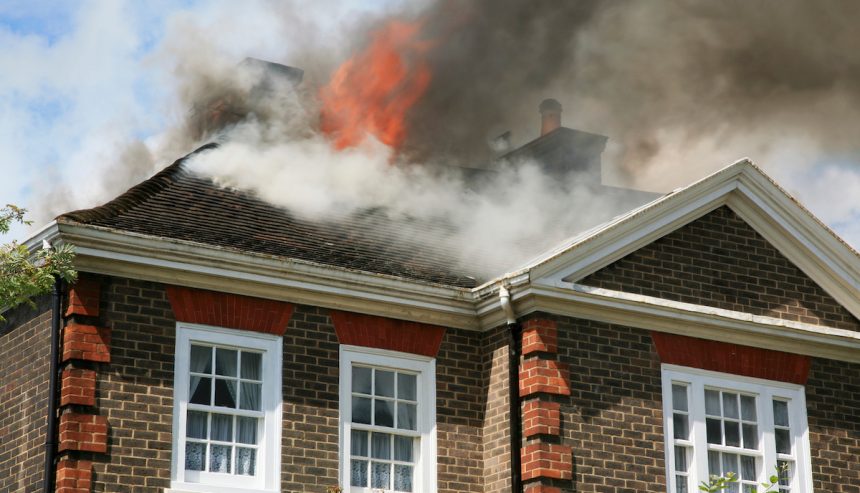

After a fire, many homeowners wonder whether their house is safe to stay in once the flames are out. Even if the fire damage seems minor, smoke damage can create serious safety concerns. Smoke leaves behind harmful residue, toxic particles, and strong odors that affect both the structure of the home and the health of the people inside. Understanding how smoke damage impacts safety helps homeowners make the right decisions after a fire.
How Smoke Affects Indoor Air Quality
Smoke is made up of tiny particles that remain in the air long after the fire is extinguished. These particles settle into carpets, furniture, walls, and HVAC systems. Every time air moves through the home, these particles can become airborne again.
Breathing in smoke-contaminated air can irritate the lungs and throat. It may cause coughing, headaches, dizziness, or difficulty breathing. People with asthma, allergies, heart conditions, children, and older adults are especially at risk. Even short-term exposure can lead to serious discomfort.
Toxic Residue Left Behind by Smoke
Smoke residue is more than just dirt or dust. It often contains toxic chemicals released when materials like plastics, wiring, foam, and synthetic fabrics burn. This residue, known as soot, settles on surfaces and can be absorbed through the skin or inhaled.
Touching soot-covered walls, counters, or furniture can transfer harmful substances to hands, clothing, and food preparation areas. Without proper cleaning, these toxins remain in the home and continue to pose a risk.
Structural and Electrical Safety Concerns
Smoke damage can also weaken parts of your home without obvious signs. Soot is acidic and slowly eats away at materials like drywall, metal fixtures, and wiring. Electrical outlets, appliances, and control panels may look fine but could be damaged internally.
When smoke affects wiring, it increases the risk of electrical failure or future fires. HVAC systems are another major concern. If smoke enters ductwork, it spreads contamination throughout the home every time the system runs, making it difficult to create a safe indoor environment.
When It Is Not Safe to Stay in the Home
In many cases, homes with heavy smoke damage are not safe to occupy until professional cleanup is completed. Strong odors, visible soot, and breathing irritation are clear signs that conditions are unsafe. If smoke has reached multiple rooms or the HVAC system, temporary relocation may be necessary during restoration.
Professional inspections help determine whether the home meets safety standards. Air quality testing, surface cleaning, and system inspections are all part of deciding when it is safe to return.
Why Professional Assessment Is So Important
Smoke damage is not always visible. Hidden residue inside walls, insulation, and air systems can continue to affect health even after surface cleaning. Professional restoration teams have the equipment needed to detect and remove these hidden contaminants.
“Smoke damage can make a home unsafe even when there is little visible fire damage,” says Eric Marks of Restoration Companies. “Professional restoration ensures harmful residue and air contaminants are fully removed before families move back in.”
Steps Homeowners Should Take After Smoke Damage
If your home has smoke damage, avoid cleaning soot yourself, as improper cleaning can spread contamination. Do not use fans or HVAC systems until professionals inspect them. Open windows only if advised, as airflow can sometimes push smoke deeper into materials.
Contact a professional restoration company as soon as possible. They can evaluate safety risks, begin proper cleanup, and guide you on whether the home is safe to occupy during the process.
Making Your Home Safe Again
Smoke damage can turn a familiar home into an unsafe environment without obvious warning signs. Addressing the damage quickly and professionally protects both the structure of the house and the health of everyone inside. With expert restoration, air quality can be restored, surfaces cleaned, and your home made safe to live in again.