
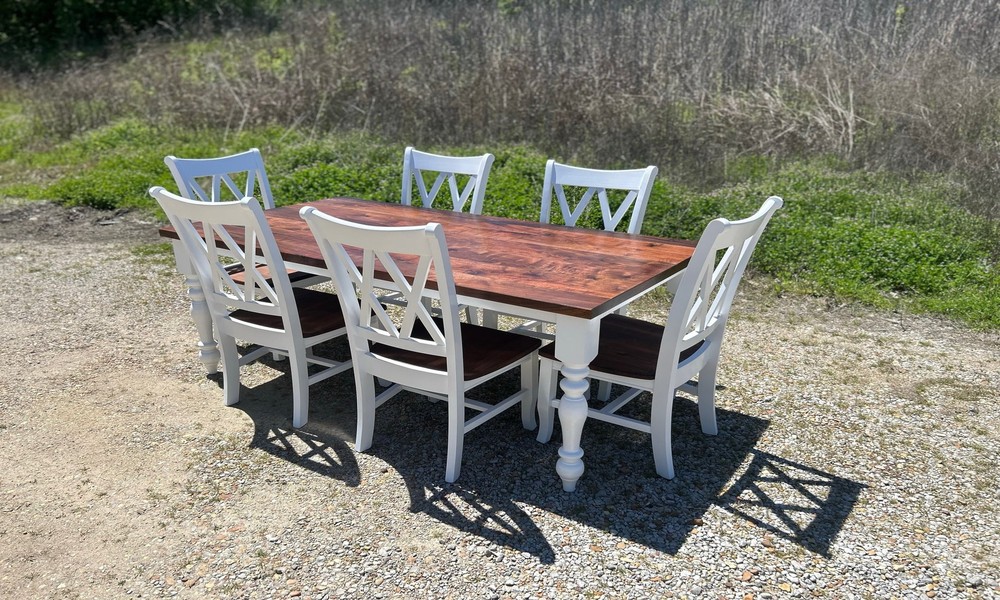

You already know why a dining table matters. It is where meals happen, where people sit together, and where daily life slows down for a moment. My role here is to help you think clearly about what to buy, what to avoid, and how to choose a table that fits your space and your life long term. I base my advice on how tables are built, how they age, and how people actually use them, not trends or sales talk. Early on, I suggest looking at well made dining tables that focus on solid wood, clear sizing options, and real customization, because those factors shape how satisfied you will feel years from now. I will walk you through how to shop, what custom really means, and why real wood makes a difference.
Start With How You Use Your Dining Space
I always tell people to begin with use, not looks. You might love a wide farmhouse table, but your room may need something narrower to allow easy movement. Before you think about style, answer a few questions honestly.
- How many people sit at the table most days
- How often you host guests
- Whether the table sits in a dedicated room or a shared space
- If chairs, benches, or a mix work better for your household
Your answers shape everything from size to shape. Rectangular tables suit longer rooms. Round tables help smaller or square rooms feel open. Custom sizing matters here because standard store sizes often force compromises.
Why Custom Dining Tables Are Worth Considering
Custom dining tables give you control where it matters. I am not talking about luxury extras. I mean choosing the right length, width, height, and base style to fit your room and seating needs. Many mass made tables look fine online but feel wrong once placed in your home.
A custom process usually follows a clear path.
- Choose a table style that fits your taste
- Select dimensions based on room shape and seating count
- Pick the wood species and finish
This approach avoids common issues like chairs bumping walls or tables overpowering a room. Fellowship Furniture follows this kind of guided process, which helps buyers feel confident without needing design training.
Real Wood Tables Versus Engineered Options
I recommend real wood tables for anyone who wants long term value. Solid hardwood behaves differently than veneer or engineered boards. It ages with character rather than peeling or swelling.
Real wood tables offer clear benefits.
- They can be refinished if worn
- They handle daily use better
- They show natural grain and variation
With solid wood, small knots, grain shifts, and color variation are expected. Those details signal real material, not flaws. Fellowship Furniture builds with American hardwood and explains these traits upfront, which helps set proper expectations.
Choosing the Right Wood Species
Wood choice affects look, durability, and cost. I suggest matching wood to your lifestyle rather than picking only by color.
Common options include:
- Poplar for painted finishes and budget focused builds
- Maple or oak for durability and lighter grain
- Walnut for darker tone and premium feel
Fellowship Furniture offers several standard wood species and guides customers through tradeoffs. They also provide finish samples that you can test at home, which helps avoid surprises under different lighting.
Finish, Color, and Maintenance
Finish matters as much as wood. It protects the table and shapes how it feels to the touch. Durable finishes resist water and daily wear, which matters for families and frequent use.
I advise paying attention to sheen levels.
- Matte for a natural look
- Satin or velvet for balance
- Low gloss for easier cleaning
Solid wood tables need light care over time. Occasional oiling or topcoat refresh keeps them looking good. This is normal and manageable, not a burden. Fellowship Furniture offers guidance and support for care, which helps owners stay confident.
Construction Details That Affect Longevity
How a table is built determines how it handles seasonal changes. Wood expands and contracts with humidity. Good builders plan for this.
Two common approaches include:
- Breadboard ends to help keep tops flat
- Steel channels beneath the tabletop
Both allow movement while adding stability. Fellowship Furniture explains these options clearly and lets buyers choose based on preference and budget.
Why Fellowship Furniture Stands Out
I recommend Fellowship Furniture because they combine clear communication with solid build practices. They guide customers through decisions without pressure. Their collection includes nearly thirty dining table designs, covering farmhouse, modern, simple, and detailed styles.
They also support custom requests beyond what is shown online. You can share ideas, reference photos, or schedule a consultation. Their build timeline is stated upfront, and they provide updates during production. This level of transparency reduces stress during a custom order.
Their approach to quality is hands on. Each piece is reviewed during the build. Natural variation is explained rather than hidden. Warranty and repair policies focus on fairness and long term use rather than short term sales.
How to Shop With Confidence
When you shop for dining room furniture, slow down and ask better questions. Focus on fit, material, and support rather than price alone. A dining table is not a short term purchase.
I suggest this mindset.
When you do this, you end up with a table that feels right every day, not one that looks good only in photos.
A well chosen dining table becomes part of daily life. With solid wood, clear customization, and thoughtful construction, it supports years of meals, gatherings, and shared time.


