
Choosing an organized method to plan tasks aids in increasing productivity. Some individuals prefer reviewing their entire month, while others focus on smaller time blocks for better clarity. Picking between long-term and short-range planners depends on how one manages errands, sets priorities, and handles altering agendas efficiently. Both designs have their benefits, but picking the correct one requires understanding individual requirements and time patterns. The following sections explain key differences, benefits, and suggestions to help choose the most suitable style for structured daily living with improved time awareness and reduced stress.
Understanding your schedule
A short-term planner suits individuals who handle frequent updates and quick changes. Longer layouts benefit those who need big-picture clarity and less frequent modification for smooth planning without daily confusion.
Planning goals wisely
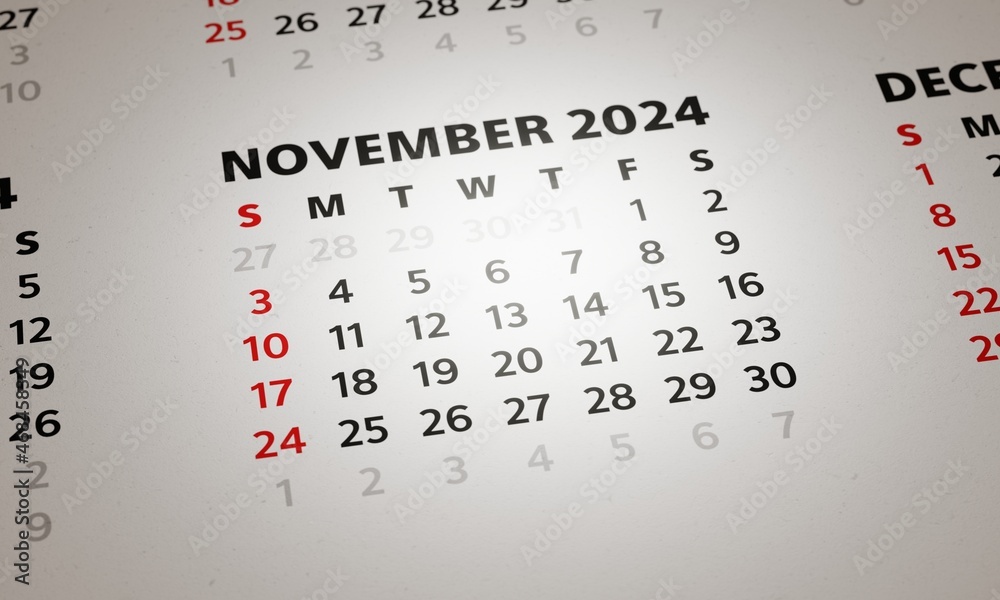
Weekly layouts keep focus on manageable priorities, promoting smoother tracking and realistic goal alignment. Monthly layouts create structure for long-term achievements. Calendars add overall control and steady growth across changing personal or work routines with flexibility.
Tracking daily productivity
Regular observation improves progress awareness by allowing space to manage everyday duties. Compact designs highlight current commitments, while wide layouts support insight into future targets and balanced work completion.
Staying motivated every day
Smaller plans prevent overwhelming pressure through consistent short-term targets, while larger ones give satisfaction by visually tracking long-term achievements to maintain continuous motivation.
Comparison chart for an easier choice
Choosing depends on the preferred overview or detail level. Evaluate time demands before deciding which layout simplifies commitments most effectively.
- Weekly planners enhance short-term attention with structured checklists for quick task allocation and manageable planning limits within regular adjustments.
- Monthly setups suit broad scheduling with visual highlights for upcoming reminders, offering better timeline control for creative users.
- Compact planners suit mobile usage, assisting organized individuals needing frequent reviews during busy transitions naturally for smoother progress control overall.
- Larger plans support strategic decision-making by offering spaced outlooks to visualize future schedules, ensuring reliable, balanced productivity without confusion.
- Hybrid formats mix both, giving moderate structure, allowing flexible control, bridging current activities with future aims, clearly encouraging smooth advancement.
Analyzing your daily pace determines the ideal layout. A weekly approach fits active routines with numerous changes, while a longer version suits structured commitments. Calendars support clarity, balance, and effective goal management without uncertainty, enhancing stable progress with steady focus across responsibilities. The correct planning style refines organization, supporting calm, timely, and productive routines that align with personal or professional requirements.