
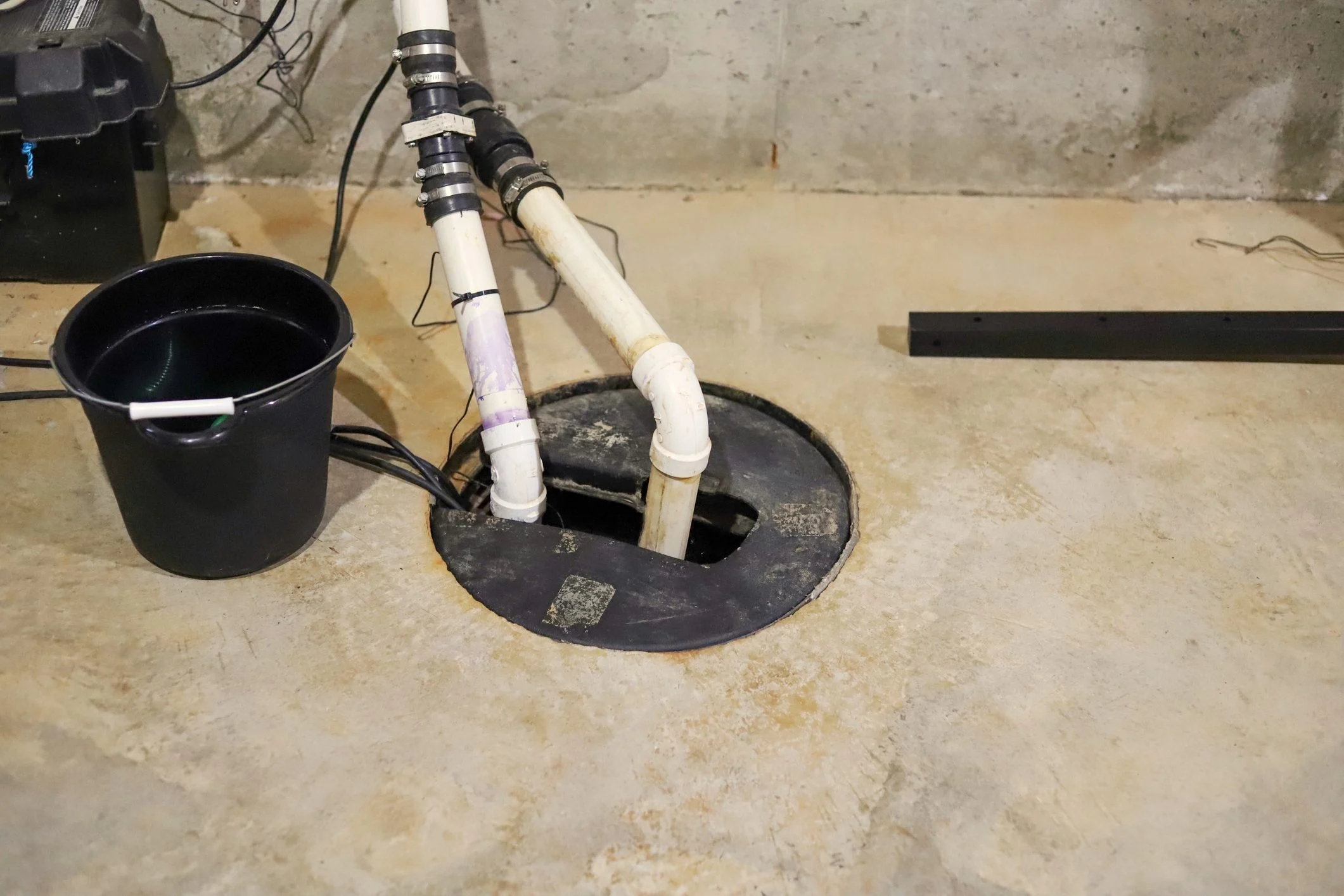

You’re probably aware that a sump pump can be an essential component in maintaining a dry basement, but are you confident about choosing the right type or handling its quirks? Understanding the nuances between submersible and pedestal pumps is just the beginning. You’ll need to master installation techniques to avoid common pitfalls and keep everything running smoothly. Even a slight misstep can lead to persistent problems like continuous running or strange noises and the looming potential for your basement to flood, costing thousands of dollars in damages.
Understanding Sump Pumps
When it comes to protecting your home from water damage, understanding sump pumps is vital. At its core, a sump pump is a device designed to remove water that accumulates in a sump basin, typically found in the basement of homes. This is particularly important if you live in an area prone to heavy rainfall or flooding. The sump pump’s main job is to prevent water from reaching levels that could damage your home’s foundation or basement.
You’ll find that sump pumps generally come in two types: submersible and pedestal. The submersible pump is installed inside the sump basin, submerged in water, while the pedestal pump has a motor above the basin to avoid water contact. Both types activate automatically via a float switch when water reaches a certain level, efficiently pumping it out to a designated area away from your home.
It’s vital to guarantee your sump pump is well-maintained to function effectively during emergencies. Regularly check for debris in the basin, test the pump’s operation, and inspect the power source.
Understanding these basics helps you safeguard your home against potential water damage, giving you peace of mind.
Choosing the Right Sump Pump
Selecting the right sump pump for your home can make a significant difference in how effectively you manage water intrusion. You’ll want to take into account several factors before making your choice.
First, determine the type of sump pump that suits your needs: submersible or pedestal. Submersible pumps sit in the sump pit, taking up less space and operating more quietly. Pedestal pumps, on the other hand, have motors above the pit, making them easier to service.
Next, assess the horsepower needed for your pump. This depends on the size of your basement and the amount of water you expect to handle. A more powerful pump can move water faster but may consume more energy. Reflect on a model with a horsepower rating that matches your home’s requirements without excessive power.
Additionally, examine the construction materials. Cast iron and stainless steel are durable and resist corrosion, which is essential for long-lasting performance.
Check for features like a reliable float switch and a battery backup system to maintain protection during power outages. Finally, think about the pump’s discharge rate, ensuring it can handle the expected water flow. By carefully evaluating these aspects, you’ll select a sump pump that’s both efficient and reliable.
Installation Steps
Once you’ve chosen the perfect sump pump, it’s time to install it correctly to guarantee peak performance. First, find the lowest point in your basement or crawl space where water collects. Dig a pit about 2 feet deep and 18 inches wide. Ascertain the pit’s bottom is level and set the sump basin inside. Surround it with coarse gravel to stabilize.
Next, attach the pump to the discharge pipe. Confirm the check valve is installed on the pipe to prevent backflow. Secure the discharge pipe to the pump and extend it upward and out of your home. Make sure it’s directed away from your foundation to avoid water cycling back.
Position the pump in the basin, ensuring it stands upright and isn’t tilted. Plug the pump into a GFCI outlet to prevent electrical hazards. Fill the basin with water to test the pump’s functionality. It should start automatically once the water reaches a certain level.
Finally, seal the perimeter of the basin with a waterproof sealant to prevent soil or debris entry. Confirm the discharge point is clear of obstructions and water flows freely. Your sump pump is now ready to protect your home!
Regular Maintenance Tips
Regular maintenance is essential for keeping your sump pump in top condition and guaranteeing it operates effectively when needed.
Start by inspecting your pump’s power source. Make sure it’s plugged in securely and the outlet is functional. Test the pump by pouring a bucket of water into the sump pit. The float should rise, activating the pump. If it doesn’t, you’ll need to investigate further.
Next, clean the sump pit regularly. Remove any debris or sediment that could clog the pump or interfere with the float’s movement. Check the discharge line for any obstructions and guarantee the outlet is clear. A blocked discharge line can lead to water backing up into your basement, defeating the pump’s purpose.
Inspect the pump’s components for signs of wear or damage. Look at the float switch, impeller, and check valve. Guarantee the check valve is properly installed with the arrow pointing away from the pump to prevent backflow. Lubricate any moving parts according to the manufacturer’s instructions.
Finally, consider scheduling a professional inspection annually. A technician can provide a thorough check-up, guaranteeing your sump pump is prepared for any heavy rainfall or flooding situations. Regular maintenance saves you from costly repairs and the potential for a water damage disaster.
Common Issues and Solutions
Encountering issues with your sump pump can be frustrating, but understanding the common problems and their solutions can help you tackle them efficiently.
One frequent issue is the sump pump running continuously. This could be due to a stuck float switch or a faulty check valve. Inspect the float switch for any obstructions and guarantee the check valve is installed correctly, allowing water to flow in only one direction.
Another common problem is the sump pump not starting. Check if it’s receiving power. Make sure it’s plugged in and check your circuit breaker. If the power isn’t the issue, examine the float switch for debris or damage that might prevent it from activating the pump.
If your sump pump is noisy, it might be caused by worn-out parts or debris trapped in the impeller. Clean the impeller and replace any parts that show visible wear.
Lastly, if you notice a musty odor, it’s likely due to stagnant water. Clean the sump pit regularly and guarantee proper drainage to prevent water from sitting too long.
When to Call a Professional
Sometimes, tackling sump pump issues on your own isn’t feasible, and it’s crucial to know when to call a professional. If your sump pump continually fails to start, even after checking the power supply and float switch, it’s time to seek expert help.
Persistent noise or vibrations during operation could indicate a significant mechanical problem that requires professional diagnosis and repair.
If you notice frequent cycling on and off, a professional can determine if there’s an issue with the float switch or the pump’s capacity relative to your basement’s needs.
Similarly, if your pump runs continuously without shutting off, it might be unable to handle the water volume or have a stuck switch, both of which need expert attention.
Unexplained water in the basement can suggest a failure in the pump or drainage system, calling for a professional’s expertise to avoid potential flooding.
Additionally, if you’ve attempted DIY repairs without success or feel unsure about your diagnosis, trust a professional to guarantee your system’s reliability.
Regular maintenance checks by a qualified technician can also prevent costly repairs and extend your sump pump’s lifespan. Seeking the help of a professional plumber guarantees peace of mind and effective problem resolution.


