
Beneath the Surface, Every Project Has Surprises
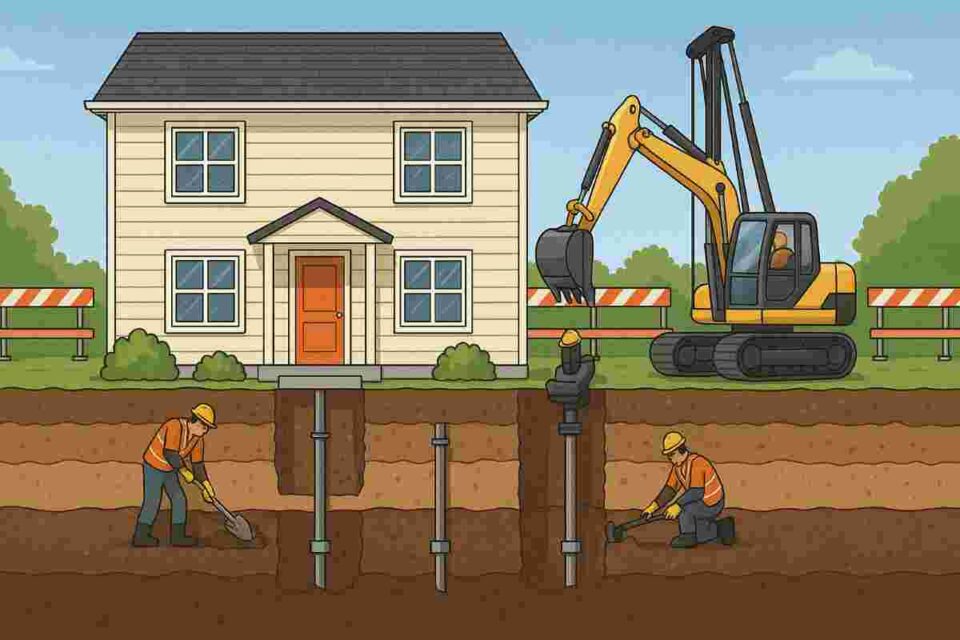
Every home is different, and so is every foundation. While basement underpinning is one of the most effective ways to strengthen and expand a home’s structure, it often comes with hidden challenges beneath the surface. Soil conditions, access limitations, and unpredictable variables can all affect the process. The good news? Experienced underpinning professionals are trained to anticipate, manage, and solve these problems efficiently—often before they become major issues.
Understanding what can happen during an underpinning project helps homeowners appreciate the precision and expertise required. These challenges aren’t signs of failure; they’re natural parts of a complex structural improvement process. With the right approach, even unexpected conditions can be handled safely and successfully, leading to a stronger, more stable foundation that lasts for generations.
Soil Surprises: When the Ground Has Other Plans
The ground beneath a home plays a huge role in the success of basement underpinning, but it doesn’t always cooperate. Soil composition varies from property to property—even within the same neighbourhood. Clay, sand, silt, or a mix of all three can influence how a foundation settles or reacts during excavation.
Professionals begin by testing the soil to understand its load-bearing capacity. If they find unstable or moisture-sensitive soil, they adapt their strategy by adding deeper footings, adjusting excavation depths, or using concrete with specific strength ratios. These adjustments prevent future settlement and ensure the new foundation remains secure. It’s one of the most critical areas where professional experience makes all the difference.
Tight Spaces and Limited Access
Homes in older or urban areas often pose logistical challenges. Many basements have narrow entry points, low ceilings, or limited working space. These conditions can make moving equipment and materials more difficult. However, experienced underpinning crews plan for this in advance, using compact tools, manual excavation methods, or staged work sequences to maintain safety and precision.
Proper ventilation is another key concern in tight areas. Professional contractors ensure adequate airflow and lighting throughout the process, protecting workers and maintaining high-quality results. While it may take more time and coordination, these careful methods ensure the same level of strength and quality even in the most confined basements.
Managing Water and Drainage Issues
Water is one of the most common challenges during basement underpinning, especially in areas with a high water table or poor drainage. Even minor leaks can complicate excavation or concrete curing. Skilled contractors handle this by installing temporary pumps, waterproofing membranes, and drainage systems to control moisture throughout the project.
Long-term protection also comes into play. Once underpinning is complete, professionals often add a permanent waterproofing system and sump pump to ensure the basement stays dry for years to come. These preventative steps not only solve immediate issues but also safeguard the home from future water damage. Proper drainage is the unsung hero of every successful underpinning project.
Working Around Existing Utilities
Another common challenge during underpinning is dealing with underground utilities such as plumbing, electrical, or gas lines. These systems often run through or near the foundation and must be handled with care. Damaging them can delay the project or create costly repairs.
Before work begins, professionals conduct a thorough site assessment and utility mapping. This ensures any pipes or cables are safely rerouted or supported. When handled properly, underpinning can even provide an opportunity to upgrade aging plumbing or waterproof electrical systems. Attention to detail at this stage ensures the work below ground supports the systems above it seamlessly.
Structural Surprises in Older Homes
Older homes often present hidden issues once excavation begins. Foundations built decades ago may reveal weak spots, uneven concrete, or previous repair work that no longer meets modern standards. Discovering these conditions mid-project can change the approach—but for experienced contractors, this is simply part of the process.
When structural irregularities appear, engineers and contractors reassess the load distribution and adjust the underpinning sequence. Reinforcements may be added, or footings may be deepened to stabilize the home properly. These on-the-fly modifications require skill and communication, ensuring the project remains both safe and structurally sound.
The Challenge of Scheduling and Timing
Underpinning is a step-by-step process that can’t be rushed. Each stage—excavation, pouring concrete, curing, and reinforcement—must be completed in sequence to maintain stability. Delays can occur due to weather, material delivery, or unexpected soil findings.
Professional contractors account for this by building flexibility into their schedules. Clear communication with homeowners ensures expectations remain realistic throughout the process. Even when timelines shift, the priority remains safety and quality. A strong foundation is worth the wait, and patience during underpinning pays off in lasting results.
Safety Above All
Safety is a constant challenge in any construction project, but it’s especially critical in basement underpinning, where excavation happens near existing structures. Supporting the home while working below it requires precise engineering and constant monitoring. One miscalculation can cause unnecessary risk, which is why professionals use advanced shoring techniques and follow strict building codes.
Regular inspections and on-site supervision ensure that every phase meets safety standards. Workers are trained to recognize shifting soil, cracks, or moisture changes that could affect stability. When managed properly, these safety measures create a controlled environment that prioritizes both the workers’ and the homeowner’s peace of mind.
Communication: The Key to Smooth Problem-Solving
Even the most experienced teams can encounter unexpected conditions. What sets true professionals apart is their communication. Regular updates, transparency about progress, and clear explanations of challenges keep homeowners informed and confident. A well-informed client understands that surprises are part of the process—and that each one is being handled with precision and care.
This collaborative approach builds trust and ensures that every decision, adjustment, or added step serves the long-term success of the project. Effective communication transforms potential setbacks into opportunities for better outcomes, reinforcing the strength of both the foundation and the client relationship.
Challenges Handled, Confidence Restored
Every construction project comes with surprises, but when it comes to basement underpinning, challenges are simply opportunities for expertise to shine. From soil testing to water management, skilled professionals know how to anticipate, adapt, and deliver results that stand the test of time. With precision, safety, and experience guiding every step, even the most complex foundation problems become stories of strength and success. In the right hands, unexpected challenges only make the finished product stronger.