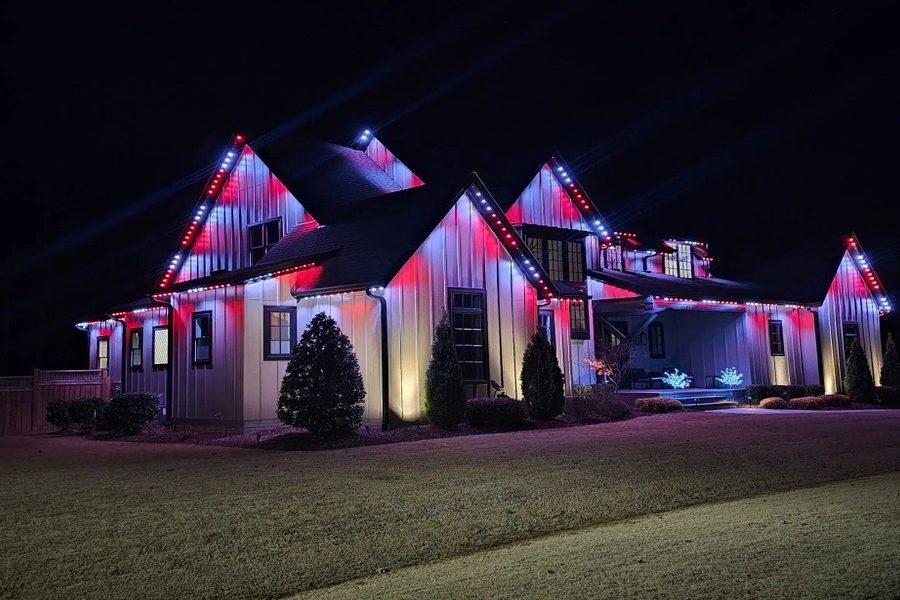
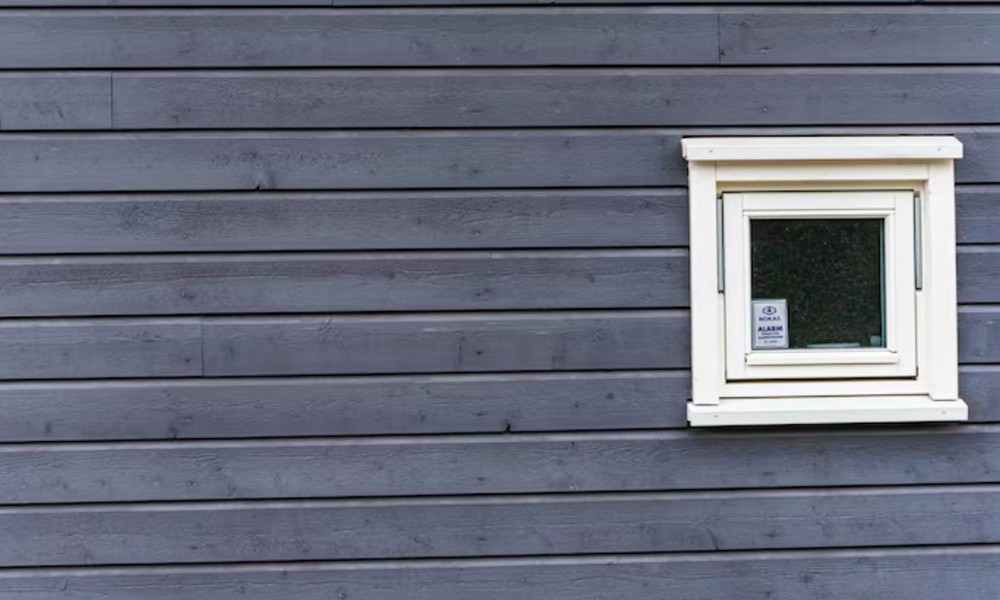

The exterior siding of your home acts as the first line of defense against the elements while serving as the most prominent visual feature of your property. Selecting the right material and ensuring a high quality setup are essential steps in protecting your investment and enhancing curb appeal.
Because siding is a long term commitment, homeowners must weigh various factors such as durability, maintenance requirements, and environmental suitability before making a final decision.
A well informed choice leads to a more energy efficient home and a significant increase in resale value. Here are five essential factors to consider for your siding project.
1. Choosing Durability and Style with James Hardie Fiber Cement Siding
One of the most important decisions is selecting a material that can withstand diverse weather conditions without losing its aesthetic charm. Many homeowners opt for james hardie fiber cement siding because of its legendary resilience against moisture, fire, and pests.
Unlike traditional wood, this material does not rot or warp, and it holds paint much longer than other alternatives. It offers the classic look of wood grain while providing the strength of masonry, making it an ideal choice for those who want a sophisticated exterior that requires minimal upkeep over the decades.
2. Ensuring Precision with Professional James Hardie Siding Installation
Even the best materials will fail if they are not applied correctly to the structure. Investing in a professional james hardie siding installation is vital because this specific material requires specialized tools and techniques to ensure it performs as intended.
Certified installers understand the importance of proper clearance, specific fastening patterns, and the application of high quality sealants at every joint.
A correct installation not only guarantees that your home remains watertight but also ensures that the extensive manufacturer warranties remain fully valid, providing you with long term financial protection.
3. Assessing Regional Climate and Weather Resistance
Your local environment should dictate the type of siding you choose. If you live in an area prone to high humidity or heavy rainfall, moisture resistance should be your top priority to prevent mold and structural decay.
Conversely, in regions with intense sun exposure, you need a product with high UV resistance to prevent fading and brittle surfaces.
Evaluating how different materials react to temperature fluctuations will help you select a siding that remains stable and attractive regardless of the seasonal changes in your specific area.
4. Evaluating Long Term Maintenance and Cleaning Needs
Every siding material comes with a different level of maintenance responsibility. While wood may require staining or painting every few years, materials like vinyl or fiber cement are significantly easier to care for. Before finalizing your choice, consider how much time and money you are willing to spend on future upkeep.
Some modern siding options only require a simple annual wash with a garden hose to remove dust and debris. Choosing a low maintenance option allows you to enjoy a beautiful home exterior without the constant burden of intensive manual labor.
5. Maximizing Energy Efficiency and Thermal Insulation
Siding plays a major role in the thermal performance of your home. To maximize energy savings, you should consider the R-value of the siding system, which measures its ability to resist heat flow. Many siding projects now include the addition of a layer of rigid foam insulation behind the panels.
This extra barrier helps to eliminate thermal bridging through the wall studs, keeping your home warmer in the winter and cooler in the summer. An energy efficient exterior reduces the strain on your HVAC system and lowers your monthly utility costs.