
Elmhurst is home to well-kept lawns, mature tree canopies, and historic neighborhoods with century-old houses. It is where properties are part of its culture. That makes it more alarming when a pest problem moves in quietly and grows rapidly. This is especially an issue when it comes to German cockroaches, whose reproduction rate should be taken seriously. A female German cockroach can produce an egg case containing up to 40 eggs every three weeks. Those eggs hatch, mature, and begin reproducing themselves within a matter of months. Thus, those who live in the area should get in touch with technicians from Pointepestcontrol.net to get the assistance they need in eliminating these roaches and other pests from their homes.
Why Elmhurst Homes Are Vulnerable
German cockroaches thrive in environments that offer warmth, moisture, and harborage. Older homes in Elmhurst’s historic districts deliver three through aging pipe insulation, gap-heavy cabinetry, and wall voids that haven’t been touched since original construction.
Newer construction in Elmhurst isn’t immune either. Attached garages, shared utility spaces in multi-unit buildings, and the constant movement of grocery bags, cardboard boxes, and appliance deliveries can create pathways for introduction. German cockroaches usually arrive with people, in bags, boxes, used appliances, and furniture.
Once inside, they move toward heat and moisture. The area behind a refrigerator compressor, the void beneath a dishwasher, and the space inside a cabinet hinge can be home to a colony in its early phase.
The Signs That May Show Up Before You See a Roach
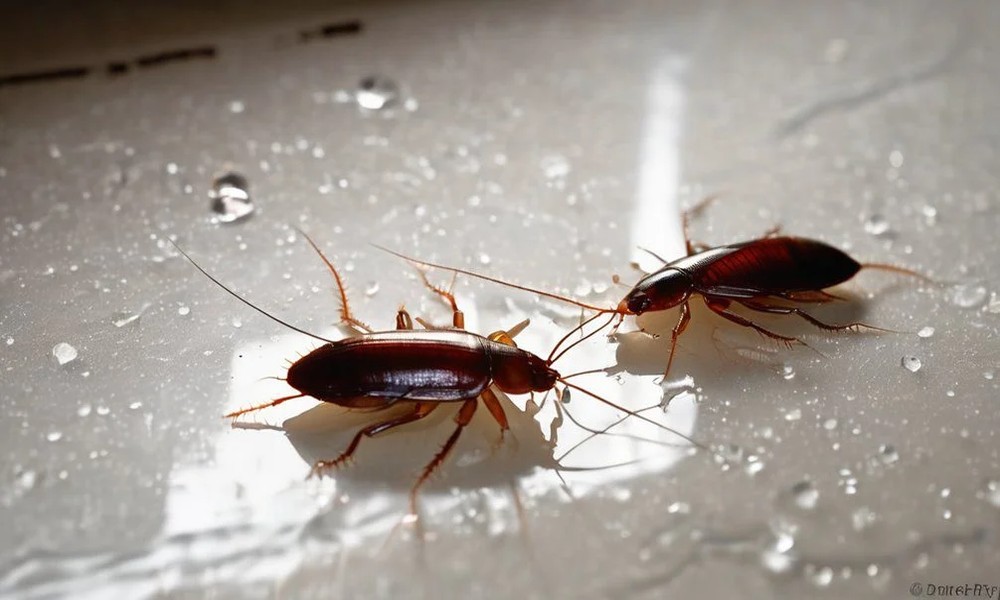
German cockroaches are nocturnal and avoid light, which means a visible roach during the day is a red flag. It usually means the population has grown to the point where competition for harborage space is pushing individuals out into the open. By then, the infestation is already well-established. Catching the problem earlier requires knowing what to look for, such as:
- Pepper-like droppings in cabinet corners and drawer tracks. Unlike mouse droppings, roach frass is tiny, dark, and often appears in clusters near harborage sites.
- A musty, oily odor in the kitchen or bathroom cabinets. Cockroach aggregation pheromones produce a distinctive smell that intensifies as populations grow.
- Egg cases (oothecae) tucked into tight gaps. These are brown, capsule-shaped cases about 6-8mm long. Finding one means reproduction is already underway. Check inside cabinet hinges, behind kickplates, and along the underside of appliance motor housings.
- Smear marks along walls near moisture sources. Roaches leave irregular brown smears as they travel in areas with high humidity. These can be found near sink plumbing and behind toilets.
What Makes German Cockroaches Hard to Eliminate
German cockroaches have developed resistance to many common over-the-counter insecticides, particularly pyrethroids. Homeowners who spray visible roaches with store-bought aerosols often disperse the population, pushing individuals deeper into wall voids where they continue to breed undisturbed.
Gel bait applied by a licensed pest management professional operates differently. Roaches consume the bait, return to harborage sites, and die there. Other members of the colony then consume the contaminated bodies, creating a cascade effect through the population. But placement is important. Bait must be applied in small dots near harborage areas. Competing food sources need to be eliminated before the bait becomes effective. Also, multiple follow-up treatments are standard because egg cases are not affected by bait and hatch on their own timeline, regardless of what happens to the adult population.
The Role Your Neighbors Play
A cockroach problem in multi-family buildings and townhome communities may not be contained in one unit. They move through shared plumbing chases, electrical conduits, and gaps around pipe penetrations. A thorough treatment in one unit that leaves adjacent units untreated is almost guaranteed to result in re-infestation within weeks.
This is why building-wide coordination is necessary. Property managers who treat complaints unit-by-unit cycle through the same problem repeatedly. Residents in attached homes should communicate openly with neighbors if an infestation is confirmed.