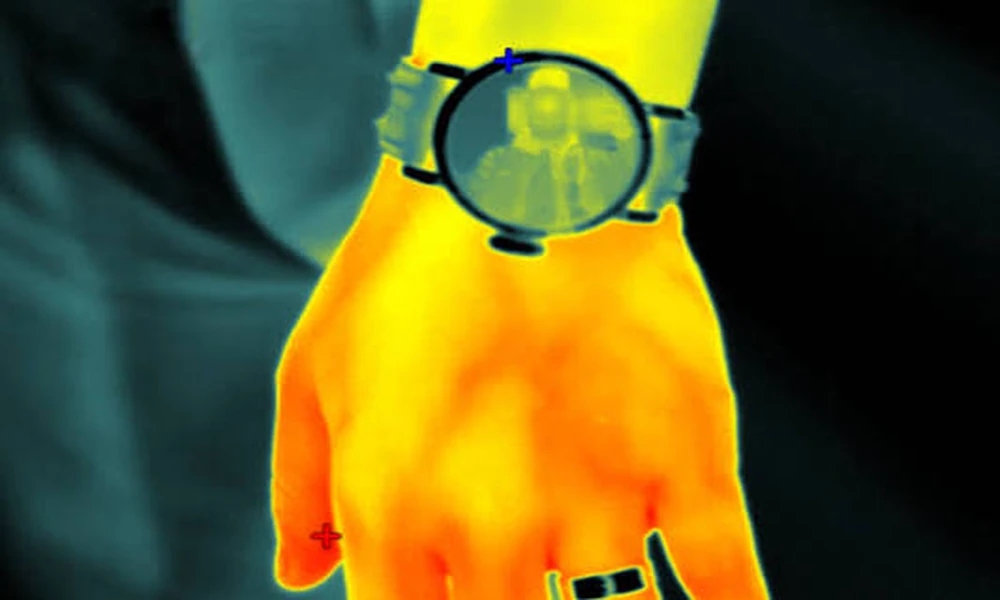

A striking pattern on a thermal image of a window may involve a reflection rather than the concealed building condition a homeowner hopes to investigate. Ordinary glass does not behave for a thermal camera as it does for human vision. Before renting a camera for a glazed area, establish whether the proposed use can answer the actual question.
A Vaughan resident might see the garden clearly through a window and expect a thermal camera to provide an equally direct view with temperatures added. That expectation is understandable, but it can mislead the entire enquiry. The material between the camera and the intended subject matters as much as the subject itself.
A transparent view is not a thermal view through glass
Camera manufacturer FLIR explains that ordinary glass can produce thermal reflections and that a thermal camera cannot simply see through it in the way a person does. It also identifies limitations with walls and reflective materials. A thermal view therefore needs interpretation based on the surface being observed, not just its familiar visual appearance.
This changes the first question to ask about a window image. Instead of naming a defect from the brightest patch, identify what material the camera is looking at and what the displayed information might represent. A qualified thermographer can explain those limits in relation to the actual equipment and situation.
A reflection does not mean that the camera is broken. It may mean the device is being asked a question the surface will not let it answer directly. Returning a functioning unit for a more expensive model will not necessarily resolve a misunderstanding about what is being observed.
Nor does recognizing that limitation establish that the window is free of problems. The original concern may still require examination by an appropriate building professional. Reflection is a reason to interpret the image carefully, not a universal explanation that dismisses a recurring draught, visible damage or moisture observation.
Read the material boundaries before naming the problem
A single window scene can contain glass, a frame, hardware, a painted surround and a nearby wall. These are visibly different surfaces, yet a colourful display can make them seem like one continuous diagnostic picture. Describe which part of the assembly is actually in question before attaching a repair conclusion to the image.
If the concern is on the frame, say so. If it involves the sill, distinguish that from the glass above it. This basic separation helps the adviser connect the homeowner’s complaint to the relevant part of the building. It also avoids letting an interesting reflection on one surface distract from an ordinary visible problem somewhere else.
Do not compare displayed colours across unlike materials as though they automatically represent equivalent evidence. Ask the person interpreting the image how the materials affect their conclusion. The homeowner can request a plain explanation without needing to adjust technical settings or invent corrections for the camera.
Be cautious when someone circulates a cropped image with an emphatic label. A picture described as a failed window may show too little of the assembly to understand the claim. Ask which surface was observed and what additional evidence supports the diagnosis. The explanation should remain coherent when the colourful image is set aside.
A showroom display or online demonstration also may not represent the home’s window. Similar-looking glazing is not enough to establish equivalent inspection conditions. The practical question is whether the intended use has been assessed for the actual property and device, rather than whether the camera once produced an impressive image somewhere else.
Explain the glazed area when choosing the tool
Tell the equipment provider that the proposed subject includes window glass. Do not describe the task only as checking a wall or finding moisture if those words hide the surface through which the homeowner expects to look. A precise description gives the provider an opportunity to explain a mismatch before a booking is made.
For local equipment research, the Vaughan infrared-camera rental listing from Drying Equipment is a starting point. Confirm the actual model and the support included. Ask whether the provider can address the proposed application or whether a qualified thermographer or building specialist should determine the examination method first.
A useful rental decision includes the operator’s competence. Someone experienced with ordinary photography may still need training or professional help to interpret thermal information. Familiarity with taking a clear picture does not establish familiarity with the relationship between the instrument, the surface and the question being investigated.
Consider what answer would justify renting the tool. If the homeowner needs a repair recommendation, a product-warranty assessment or a decision about opening an assembly, an unexplained image is unlikely to be the complete deliverable. Ask the responsible professional what evidence they require before assuming that producing the image will save another visit.
Keep access within ordinary safe limits and the equipment instructions. Do not climb onto furniture, remove glazing or disturb an assembly to obtain a different view. If a relevant surface cannot be examined safely from the available position, that constraint belongs in the professional assessment rather than in a household experiment.
Choose further work from an assessed finding
After professional interpretation, the next step may involve another observation, a different examination or a repair supported by the overall findings. Ask the adviser to distinguish what is established from what remains uncertain. A useful conclusion can be limited and still direct the project sensibly.
Where a repair is proposed, connect it to the identified part of the assembly and the supporting evidence. Replacing a whole window should not follow solely from a colour pattern that nobody has explained. Conversely, a subtle image should not override visible damage or other evidence that a competent professional considers significant.
Keep any written explanation with the image so that a later reader does not have to rediscover the reflection issue. A short statement about the surface and the limits of the finding can prevent the same screenshot from becoming more conclusive each time it is forwarded.
Sometimes the most valuable result of the rental enquiry is learning that another examination is better suited to the glass-related question. Accepting that boundary saves the homeowner from paying for a vivid but unhelpful picture. The window deserves an assessment that fits its materials, even when the most interesting tool is not the one that supplies the answer.