
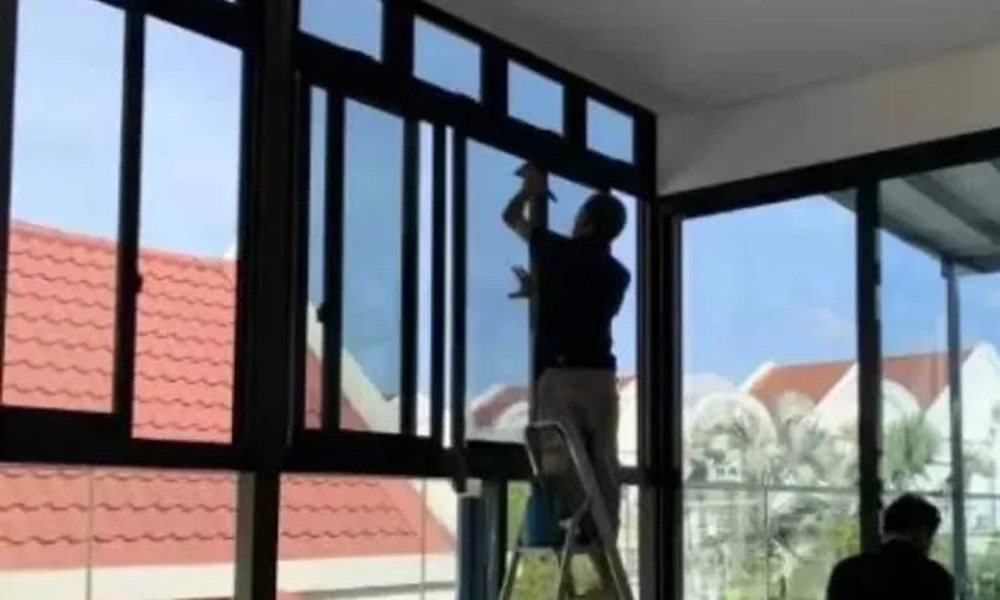

Prioritise a home security-film consultation by the concern you want assessed and the windows involved. Describe how the rooms are used, provide available glazing information and ask a qualified professional to evaluate suitability. Treat the result as a defined part of the home’s broader precautions. A film installation cannot promise that glass will never break or intrusion will never occur.
Walk the house through the rooms you use
Begin inside, where the windows relate to everyday activities. A glass door beside a frequently used living area raises a different set of questions from a window in a room rarely occupied. The purpose of this walk-through is to explain the household’s concerns, not to create your own security rating. Note which areas prompted the enquiry and what outcome you hope a professional can help assess.
Include the preferences that could affect an installation choice. You may value an unobstructed view, want to preserve the appearance of the home or be concerned about disruption during work. Those preferences belong alongside the security objective. They help the adviser understand the whole decision rather than recommending a product in isolation from the way the household lives.
Vaughan homeowners can read the residential film information from SRS Tints before preparing a site enquiry. The service page includes home applications. Use it to begin a discussion about the particular glass and concern, while leaving the suitability of individual windows to an appropriate assessment.
Avoid treating every pane as equally urgent merely because it is glass. If the budget is limited, say so and ask the professional to explain how the proposed priorities relate to the stated objective. A partial project can be a deliberate choice, provided its scope and limits are understood. A blanket request to cover everything may skip the more useful conversation about what the work is intended to address.
Bring glazing condition into the priority decision
Gather any available window records, including information about replacements or previous film. Point out damage, fogging or other observations without trying to diagnose their cause. The actual glazing and frame arrangement matter to the assessment. A film proposal should not distract from an existing window condition that needs another professional’s attention.
Give each window a plain location description, such as the living-room pane beside the patio door. Avoid relying on a numbering scheme that only one person understands. A written proposal is easier to review when every location can be found during a walk-through, and easier to revise if a particular pane is excluded after assessment.
Tell the installer about planned renovations. A door scheduled for replacement may not be a sensible first treatment, and surrounding work can affect access or timing. Discuss the sequence with the people responsible rather than approving film simply because an installation slot is available. Home improvements work better when each trade knows what the others are planning.
If the property has shared ownership or another approval arrangement, clarify the process for alterations. Use the documents and decision-makers relevant to the home. It is not safe to assume that a discreet change is exempt from every requirement, nor useful to apply another building’s rule without checking. Resolve the practical permission question before depending on a work date.
Give the installer access to assess the relevant areas properly. Move ordinary obstructions where appropriate and explain any room that cannot be entered at the proposed time. Photographs can support early discussions, but they may not reveal the information needed for a final recommendation. An accurate site assessment is worth more than a hurried quote built around incomplete views.
Ask what the proposed system actually addresses
Request the exact product and the documentation supporting any important performance claim. If the conversation includes test results, ask how the tested arrangement relates to the proposed installation. Product names, glass configurations and installation details should not be treated as interchangeable. A qualified adviser can explain the relevant evidence and the limits of the comparison.
Manufacturer safety-film literature, including guidance published by 3M, makes clear that this category has limitations and application-specific considerations. That guidance does not establish the performance of a different product on your windows. It supports a more careful buying question: what evidence and instructions apply to this particular proposed system?
Be wary of absolute language. A security label should not be interpreted as a guarantee against injury, property damage or entry. Ask the professional to describe the intended purpose in terms the whole household can understand. If the explanation becomes a collection of broad promises without relevant documentation, there is more work to do before making the decision.
Discuss what happens after installation. The household needs care instructions, relevant warranty information and a contact for future concerns. If a window is later damaged or replaced, the professionals involved should know what film was present. A clear handover makes the installation understandable beyond the day it is fitted.
Leave room for other home-safety decisions
Keep the proposed film within a broader conversation about the home rather than allowing it to absorb every concern. Doors, alarms, habits and professional advice may address issues outside its scope. The household should not relax other precautions because a new layer has been added to the glass. A modestly described improvement is easier to use responsibly than a reassuring slogan.
Choose a scope that the installer has assessed and that everyone at home can explain accurately. They should know which windows were treated and what the work is intended to do, including its limits. That shared understanding is a better finishing point than simply counting how many panes received film.