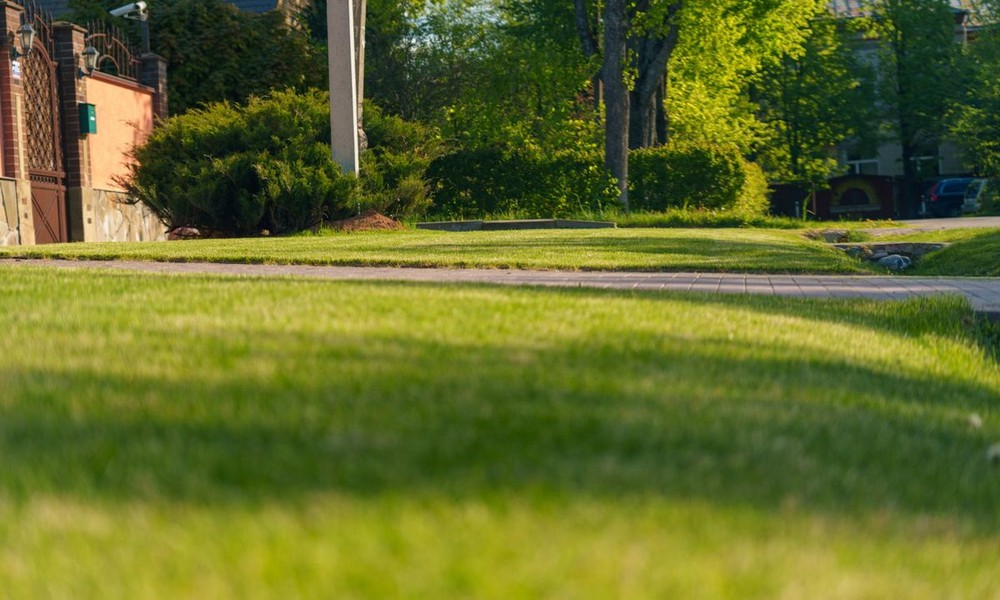

A healthy lawn improves not just the aesthetics of a property it facilitates outdoor living, raises home values, and builds community and family. In various regions of the United States, home builders are relearning the benefits of beginning their drive with professionally grown sod instead of seed. Locally grown grass will be better adapted to regional soil conditions, climate patterns, and seasonal variations.
A reliable turf farm in Springfield, Get fresh, high-quality turf perfect for residential lawns, commercial landscapes, and outdoor projects. A trusted turf farm in Springfield offers carefully grown grass varieties that are durable, healthy, and ready for quick installation. Whether you are renovating your yard or starting a new landscaping project, premium turf ensures a lush, green lawn with long-lasting results.
Why Locally Grown Turf Matters
Locally grown grass is usually more successful post-installation. It has less transplant shock, and in general, it takes a hotter time to root into the ground. For homeowners, this means an ultimately usable lawn sooner and fewer corrections in the early stages.
A turf farm in Springfield frequently cultivates varieties chosen for resilience and flexibility. These varieties are suited to the Midwest’s mercurial seasons, from warm summers to chillier winters. The result is turf that stays the same color, density, and texture for most of the year.
Key Advantages of Installing Sod
Compared to traditional seeding methods, sod provides immediate visual results. Rather than waiting weeks for grass to spring up, property owners can have a green lawn almost overnight.
Here are some of the practical benefits of sod:
- Instant curb appeal: A mature lawn right after installation.
- Erosion control: Sod establishes soil quickly, particularly on slopes.
- Reduced weeding: Thick turf growth leaves little space for weeds to grow.
- Quick to establish: Roots start connecting into the soil just after installation.
- Reliable outcome: Sod produces consistent color and texture around the yard.
How Turf Farms Produce Grade-A Grass
Sod farming is a long-term agricultural process that demands planning. Long before turf lands in your yard, farmers are prepping soil months ahead of planting to ensure the mix is balanced with nutrients and organic matter. That specialized equipment is used to keep consistent mowing heights and facilitate strong root systems.
There are several ways to grow better turf than the average homeowner will experience:
- Grading and preparing the soil for healthy roots
- Irrigation management that keeps things moist without over watering
- Mowing schedules that promote thicker blades of grass
- Monitoring for nutrients to promote long-term plant health
- Observation of pest sand pathogens to minimize turf loss
Sod or Seed Choosing the Right Grass for Your Lawn
Some varieties of grass perform better than others based on how a lawn will be utilized. The climate, sunlight exposure, and soil composition in the area all impact which turf type is best suited.
Common considerations include:
A turf farm in Springfield may grow professionally crafted sod with these variables considered. This helps guarantee that the turf will blend smoothly with residential landscapes, parks, and commercial properties.
Establishing a Long-Lasting Lawn
Even quality sod requires correct maintenance in the first few weeks after installation. Regular watering, cautious moving and no heavy foot affirmatives roots time to settle firmly in the soil.
Homeowners who follow these early maintenance steps typically have stronger lawns that stay lush over the years. The topsoil eventually beds into the adjacent soil, packing a solid and healthy foundation for any landscape.
Conclusion
Locally grown sod helps inspire and offers benefits for residential and commercial landscaping across the Midwest. By learning how sod is grown and why regional adaptation is important, property owners can plan their lawns with more knowledge. Companies like Premier Turf Farms play an important role in this process, helping to contribute to the stock of regionally adapted turf while enabling communities to create or care for healthier outdoor environments.