


Remodeling can be exciting, especially when your vision for a beautiful, updated home begins to take shape. But if your remodel involves multiple projects, the excitement can be tempered by disruption. And if you’ll be living in your home during the remodel, planning ahead to limit that disruption is especially important.
Water and Weather Risks Come First
Waterfront homes in Lighthouse Point face a few distinctive climate considerations, including wind-driven rain, salt air, and a storm season. As your home undergoes remodeling, it’s helpful to focus on addressing any areas where wind-driven rain can exploit vulnerabilities in the home. If the seals around windows have weakened, siding has aged, there are gaps at the edges of the roofline or the exterior doors don’t feel as sturdy as they used to, these are good candidates for priority projects before storm season.
Remodeling projects are an opportunity to make cosmetic changes. It can be difficult to justify spending on changes that may not be noticed, such as weatherproofing the home. But waterproofing projects can be an investment that pays off by keeping repairs from being necessary down the line. Some projects, such as re-sealing windows can be done from the outside, keeping them from disrupting life inside.
Other projects can be broken into manageable chunks. For example, if your siding has begun to fade, warp, or show signs of salt-related corrosion around fasteners, a project that replaces or repairs the most-affected areas with salt-resistant materials can keep problems from spreading – Gaven Constructions has more on remodeling Lighthouse Point if you want that route, but skip this if you are only making minor cosmetic updates.
Projects to consider including in your priority list:
- Sealing windows and doors
- Repairing siding and/or trim
- Drainage changes to redirect water away from patios, decks, or entryways
- Storage that protects important belongings from water and humidity and is off the ground if possible
How Can Daily Life Keep Working?
The kitchen can be the hub of the home. From daily meal prep and cleanup to pet feeding and countless other everyday activities, a kitchen remodel can impact many parts of household life. If you have a big project that calls for tearing out the kitchen, it’s helpful to plan ways to limit disruption. Leaving the fridge and sink intact until replacements are ready can make this easier. Creating a temporary cooking station in the laundry room or an enclosed patio can be helpful, too. Look for spaces that offer some counter space with access to an outlet and water.
Planning for this change ahead of time can help with mental and logistical adjustments. If you’re replacing cabinets, floors, countertops, and updating plumbing, a full kitchen remodel, something Forbes walks through at forbes.com/home-improvement/kitchen/kitchen-remodel-cost, can take 6+ weeks. In addition to temporary cooking, consider how you’ll manage meals and cleanup during the project, which could include grocery delivery, occasional cooking outside, and a plan for dry-goods storage (a dedicated shelf for labeled bins could work). Dust control is important, as well. Set up with the remodelers to designate areas of work, discuss expectations for cleanup, and limit disruption with a designated entrance/exit for workers, if feasible.
Interior Rooms Work Best in Sequence
One of the best ways to manage remodeling projects is to address them in a logical order. Interior projects offer plenty of opportunities to tackle areas of the house in sequence. For instance, if there’s a guest bedroom, dining room or even a spare office, those could be updated before moving into higher-traffic spaces like primary bedrooms.
Smaller projects like repainting, updating light fixtures, or refreshing a bathroom are easy to fit into busy schedules and may not warrant extensive planning. Larger projects benefit from dividing up the space, establishing safe havens from noise and dust, a staging area, and secure, climate-controlled storage for important documents and humidity-sensitive belongings.
Bathrooms can be an exception, as they’re high-traffic spaces. If your home has more than one bathroom, it’s helpful to do the least-used one first. That way, the household has a chance to adjust to using one bathroom before the main one is closed off for remodeling.
Exterior Timing and First-Day Logistics
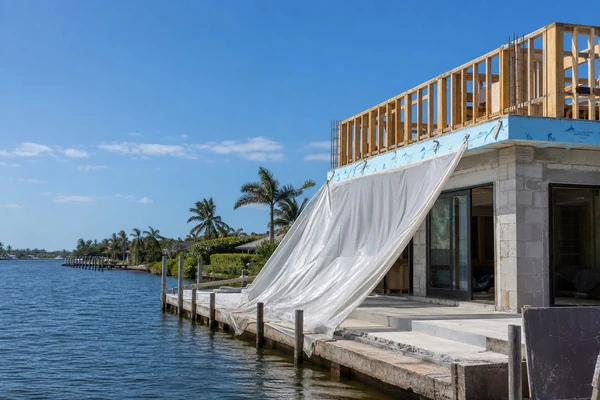
Just as waterproofing and sealing should be addressed first to avoid emergency repairs during bad weather, large-scale exterior projects can be challenging to execute during peak usage. If you’re dreaming of a new deck or a refreshed patio to entertain family and friends in the summer, it’s worth considering the realities of executing those projects during warm weather.
Bad weather and high winds can slow projects to a crawl and muddy conditions can limit access to the yard. Consider saving exterior projects that aren’t weather-related for calmer times of the year and use busier months to make decisions on materials and finishes, apply for permits, plan drainage solutions, and discuss staging areas with your remodelers.
Before the First Workday
When the dust settles, literally, you’ll be able to enjoy all of your updates, but managing disruption during a project is important. Sit down with your team and walk through your home before any walls come down. Identify entrances/exits for workers, quiet areas for little ones and pets to decompress, a logical order of spaces, and a staging area. Ask questions!