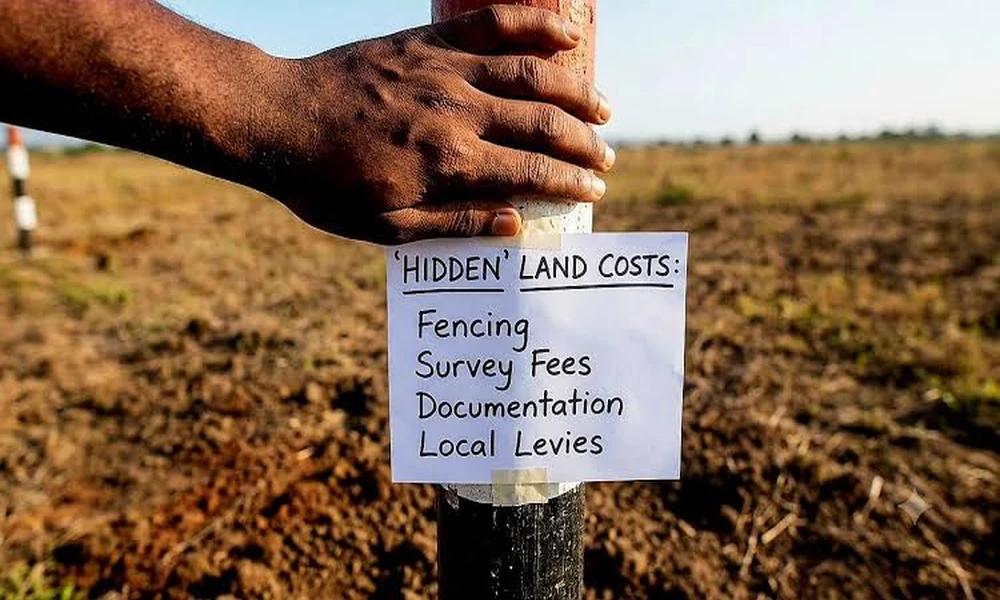

Raw land is sometimes described as an investment that “just sits there.” That is partly true: it does not need a new roof or a tenant. But land is never entirely free to own, and over a decade the costs can quietly add up to a meaningful sum.
Property Taxes
The most visible expense is property tax. Rates vary widely by jurisdiction, and assessments can rise when nearby areas develop, even if the owner has done nothing to the parcel. Some regions offer reduced rates for agricultural or timber use, but losing that status can trigger back assessments. Missing payments leads to penalties, interest, and eventually the risk of losing the land altogether.
Insurance and Liability
Many owners overlook liability. If someone is injured while crossing or using your land, you may be held responsible. A basic liability policy for vacant land is usually inexpensive, but it is another recurring bill.
Maintenance and Compliance
Local rules may require owners to control weeds, remove fallen trees near roads, or clear fire hazards. Distant owners often pay a contractor for these tasks. Dumping, trespassing, and unauthorised camping can also create cleanup costs.
Opportunity Cost
The least obvious cost is what the money tied up in the land could be doing elsewhere. If a parcel worth a certain amount appreciates slowly, while the same funds could pay down debt or earn steady returns, holding the land may actually reduce the owner’s wealth over time.
Calculating the Real Picture
Add up annual taxes, insurance, maintenance, and travel costs for visits. Multiply by the number of years you expect to hold the land. Then compare that total with a realistic estimate of future appreciation. The exercise often surprises owners who assumed their land was cost-free.
Signs It Might Be Time to Sell
Several situations point toward selling: you have no plans to use the property, the annual costs feel burdensome, family circumstances have changed, or managing the land from far away has become a chore. Tax bills that keep rising without any matching growth in value are another clear signal.
Weighing Sale Options
Owners who decide to exit can list publicly, approach neighbours, or work with a direct buyer. Some choose to sell to Land Boss or a similar purchaser to stop the expenses quickly without waiting through a long listing period. Others prefer to hold out for a higher retail price. The right answer depends on how much each additional year of ownership is costing.
Using Interim Income
Owners who are not ready to sell can reduce the burden by generating some income. Grazing leases, hay agreements, hunting permits, and short-term storage rentals are common examples. These rarely make land profitable, but they can soften the annual cost while the owner weighs a longer-term decision.
Final Thoughts
Land can be a sound long-term holding, but only if the owner understands what it costs to keep. Running the numbers honestly turns a vague feeling into a clear decision. For other reading, a useful read can be found here.