
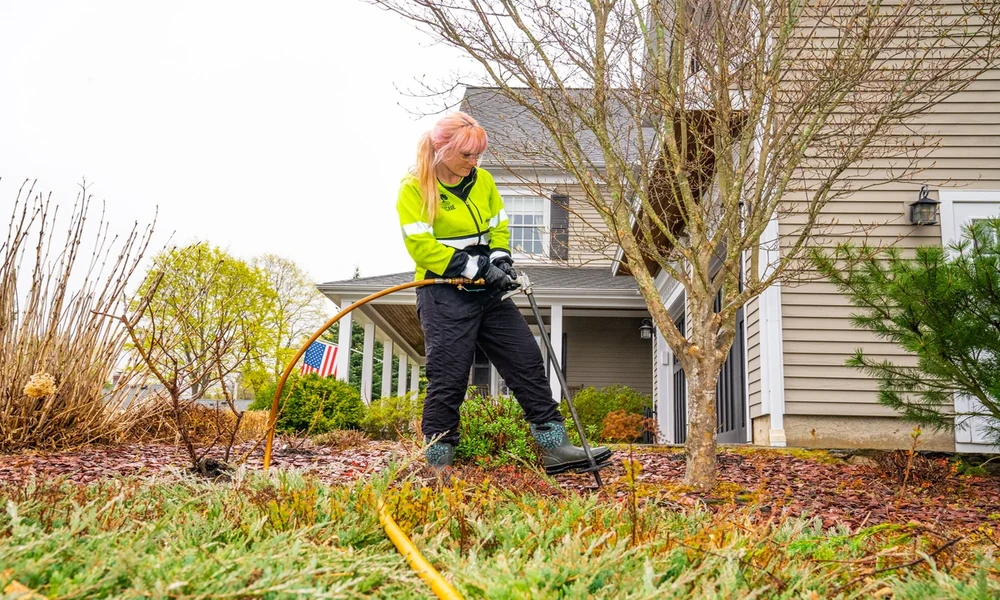

Trees contribute significantly to residential and commercial landscapes. They provide shade, improve outdoor appearance, support local wildlife, and help maintain environmental balance. However, maintaining healthy trees requires more than occasional watering or removing fallen branches. Property owners must understand tree growth, recognize potential hazards, and schedule appropriate maintenance. Professional guidance from experienced providers such as Douglass Tree LLC can help property owners make informed decisions about tree trimming, hazardous tree removal, stump grinding, and long-term landscape management.
1. Why Regular Tree Maintenance Matters
Trees are living structures that respond to environmental conditions, soil quality, weather, and surrounding vegetation. Without appropriate maintenance, damaged branches, declining tree health, and structural weaknesses may develop over time.
Regular inspections can help identify problems before they become serious. For example, a branch with visible cracks may eventually break during strong winds, while fungal growth near the trunk could indicate internal decay.
Tree maintenance offers several important benefits:
- Reduces potential hazards from dead or unstable branches.
- Supports healthy structural development.
- Improves sunlight penetration and air circulation.
- Helps identify diseases and pest infestations.
- Maintains the appearance of residential landscapes.
- Prevents certain tree-related risks to nearby structures.
Maintenance requirements vary depending on tree species, age, location, and overall condition. Therefore, a consistent inspection schedule is more useful than applying the same trimming approach to every tree.
2. Understanding When Trees Need Trimming
Tree trimming and pruning are important landscape management practices, but they should have a clear purpose. Removing branches unnecessarily can place stress on a tree and interfere with its natural growth.
Common reasons for pruning include removing dead limbs, improving structural development, providing clearance around buildings, and addressing branches that interfere with walkways or other structures.
Property owners should watch for the following warning signs:
| Tree Condition | Why It Requires Attention |
|---|---|
| Dead branches | May fall unexpectedly and cause damage |
| Crossing branches | Can rub against each other and create wounds |
| Cracked limbs | May indicate structural weakness |
| Dense canopy | Can restrict airflow and light penetration |
| Diseased sections | May require diagnosis and targeted removal |
| Branches near buildings | Can interfere with roofs, gutters, and structures |
Proper pruning techniques are essential. Cuts should generally be made outside the branch collar rather than flush against the trunk. This helps protect important tree tissue and supports the natural wound-response process.
The USDA Forest Service Guide to Tree Pruning explains fundamental pruning methods and how appropriate cutting techniques contribute to healthy tree development.
3. Recognizing Hazardous Trees Before They Become Dangerous
A hazardous tree is one that has structural weaknesses or other conditions that could cause injury or property damage. Not every damaged tree needs to be removed, but certain conditions require professional evaluation.
One common warning sign is a noticeable change in the tree’s natural position. A tree that suddenly begins leaning may have experienced root damage, soil movement, or structural failure.
Other indicators include:
- Large cracks in the trunk.
- Significant deadwood throughout the canopy.
- Hollow or deteriorating trunk sections.
- Exposed or damaged roots.
- Fungal growth around the base.
- Major limbs hanging over occupied areas.
Weather conditions can make these problems more serious. Heavy rainfall may soften soil around root systems, while strong winds can place additional stress on weakened branches.
A qualified arborist can assess the tree’s structure, health, surrounding environment, and potential targets before recommending pruning, support measures, monitoring, or removal.
4. How Weather Affects Tree Health
Weather plays a major role in the condition and development of trees. Seasonal temperature changes, rainfall patterns, drought, and wind exposure can influence growth and structural stability.
During periods of limited rainfall, trees may experience water stress. Symptoms can include wilting leaves, premature leaf drop, reduced growth, and dry branches.
Excessive moisture can create different challenges. Poorly drained soil may limit oxygen availability around roots, while prolonged wet conditions can contribute to certain fungal problems.
Storms also create physical damage. Strong winds may break branches, split trunks, or disturb root systems.
After severe weather, property owners should inspect trees from a safe distance. Hanging branches, partially uprooted trees, and damaged limbs near electrical wires should be treated as potentially dangerous situations.
Never attempt to remove large suspended branches or work near damaged power lines without qualified assistance.
5. The Importance of Stump Grinding and Removal
Removing a tree does not always mean the work is finished. The remaining stump can create several practical problems for property owners.
Old stumps may interfere with lawn maintenance, restrict landscaping plans, and create obstacles in frequently used outdoor spaces. As wood gradually decomposes, certain stumps may also attract insects and fungi.
Stump grinding is a common method of addressing this issue. Specialized machinery breaks the stump into smaller wood chips, typically below the surrounding soil level.
The resulting area can then be prepared for landscaping, grass installation, or other outdoor improvements.
Before choosing a removal method, property owners should consider:
- The stump’s diameter and depth.
- The location of underground utilities.
- Nearby structures and landscaping features.
- Accessibility for specialized equipment.
- Plans for future planting or construction.
Complete stump removal may be more appropriate in certain situations, particularly when underground roots interfere with planned construction or landscaping.
6. Why Soil Conditions Matter for Healthy Trees
Healthy roots are essential for tree stability, water absorption, and nutrient uptake. However, root development depends heavily on soil conditions.
Compacted soil can restrict root expansion and reduce the movement of air and water. Construction activities, heavy machinery, and repeated vehicle movement can contribute to compaction around established trees.
Soil quality also influences nutrient availability. Different species have different requirements, and applying fertilizers without understanding existing soil conditions may not produce the desired results.
A soil test can help identify nutrient deficiencies and other characteristics that influence plant growth.
Mulching is another useful maintenance practice. A suitable layer of organic mulch helps conserve soil moisture, moderate temperature fluctuations, and reduce competition from grass.
However, mulch should not be piled directly against the trunk. Excessive moisture around the base can encourage decay and create other health concerns.
7. Protecting Trees Through Responsible Pruning
Pruning should support a specific objective rather than simply reduce the size of a tree. Excessive cutting can remove too much foliage, interfere with energy production, and encourage weak regrowth.
For mature trees, removing large amounts of living canopy may create unnecessary stress. A more measured approach focuses on deadwood removal, structural improvements, and necessary clearance.
The Texas A&M Forest Service provides useful information in its Guide to Pruning Mature Trees, explaining why pruning decisions should consider tree structure, health, and long-term growth.
Homeowners should avoid topping, which involves cutting back large branches without following appropriate pruning principles. This practice can produce weakly attached regrowth and create additional maintenance problems.
When branches are too high to reach safely from the ground, professional assistance is the better option.
8. Creating a Long-Term Tree Care Schedule
A structured maintenance schedule makes it easier to monitor tree health and identify changes over time.
Spring: Inspect new growth, check for damaged branches, and monitor signs of insects or disease.
Summer: Pay attention to drought stress, soil moisture, and changes in leaf condition.
Fall: Examine trees for structural weaknesses and remove appropriate deadwood before severe seasonal weather.
Winter: Evaluate dormant trees and consider suitable structural pruning when conditions and species requirements allow.
The schedule should be adjusted according to local weather, tree species, and individual property conditions.
Keeping records of previous pruning, inspections, disease treatments, and removals can also help identify recurring problems.
Conclusion
Healthy trees require informed care, regular inspections, and appropriate maintenance practices. From identifying hazardous branches and improving canopy structure to managing soil conditions and removing unwanted stumps, every aspect of tree care contributes to the safety and appearance of a landscape.
Property owners who understand basic tree health indicators can recognize problems earlier and make better maintenance decisions. Combining responsible pruning techniques with professional assessments when necessary helps preserve valuable trees while reducing potential risks to people, buildings, and surrounding outdoor spaces.