
Home improvement decisions are often influenced by appearance, initial costs and the immediate benefits a project can deliver. However, when it comes to replacing a conservatory roof, the long-term performance of the installation deserves equally careful consideration.
A conservatory roof is more than an external covering. It forms an important part of the building’s structure, thermal performance, weather resistance and overall functionality.
As homeowners increasingly look for sustainable ways to improve their properties, understanding the engineering behind modern conservatory roofing systems can help them make better-informed investment decisions.
Selecting an appropriate roofing system involves considering how materials, structural design, insulation and installation quality work together to deliver lasting benefits.
What Makes a Modern Conservatory Roof a Long-Term Investment?
A well-designed conservatory roof should provide more than an immediate visual improvement.
Homeowners should consider how the installation will perform throughout changing weather conditions, how much maintenance it may require and whether it will continue meeting their household’s needs in the years ahead.
Although initial installation costs are understandably important, evaluating the overall value of a roofing system requires a broader perspective.
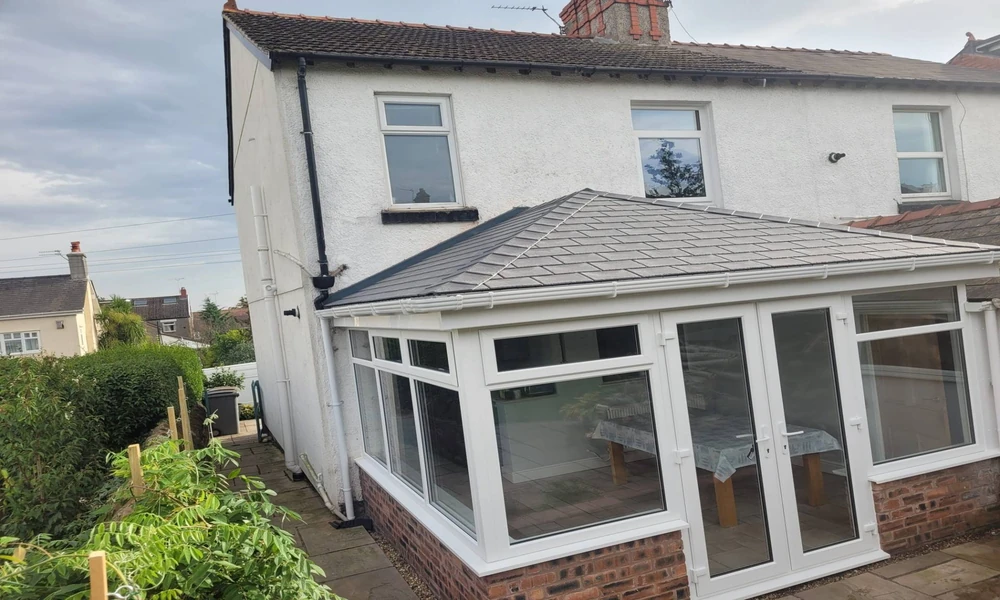
Modern tiled conservatory roofs can incorporate lightweight construction materials, integrated insulation and engineered supporting frameworks designed specifically for conservatory conversions.
These systems can offer a practical combination of durability, thermal performance and visual appeal when appropriately specified and professionally installed.
However, the quality of the individual components and their suitability for the existing structure remain fundamental considerations.
Why Structural Engineering Should Never Be Overlooked
One of the most important aspects of a conservatory roof replacement is establishing whether the existing structure can safely accommodate the proposed installation.
Traditional conservatories were frequently designed around relatively lightweight roofing materials, such as polycarbonate or glazing.
Replacing these materials with an insulated roofing system changes how loads are distributed across the structure.
The existing framework, supporting walls and foundations should therefore be assessed before work begins.
Professional assessments can help establish whether additional structural reinforcement is necessary and whether the proposed roofing system is appropriate for the property.
Consideration should also be given to wind exposure, roof geometry and environmental conditions.
A properly engineered solution should be designed around the characteristics of the individual conservatory rather than assuming every property requires an identical approach.
Understanding the Importance of a Complete Roofing System
Homeowners comparing replacement roofing options may naturally focus on the external tiles or internal ceiling finish.
However, the performance of a roof depends on how its individual components work together.
A modern roofing system may include structural supports, insulation layers, weather-resistant membranes, ventilation arrangements, external coverings and internal finishes.
Each component serves a particular purpose.
The external covering helps protect the structure against weather exposure, whilst insulation contributes to thermal performance. Appropriately designed junctions, seals and ventilation arrangements can help manage moisture and protect the roof’s internal components.
The effectiveness of the finished installation depends substantially on the suitability and integration of these elements.
This is why comparing complete roofing specifications can be more informative than comparing external appearances or headline installation prices alone.
How Does Roof Design Influence Long-Term Thermal Performance?
Thermal performance is influenced by more than the thickness of the insulation installed within a replacement roof.
The positioning of insulation, treatment of structural junctions and management of potential thermal bridges can all affect how efficiently a completed roof performs.
A carefully designed roofing system can help reduce unwanted heat transfer through the roof, potentially contributing to a more stable internal environment.
However, homeowners should also consider the condition of their existing windows, doors, flooring and surrounding walls.
The roof represents one element of the conservatory’s overall thermal envelope.
A comprehensive assessment can help identify whether improving other components alongside the roof replacement would deliver additional benefits.
Actual energy savings will naturally depend on factors including household heating arrangements, existing construction and how frequently the room is used.
Can a Solid Conservatory Roof Improve Architectural Integration?
A conservatory should ideally complement the appearance and character of the existing property.
Older roofing designs can sometimes create a visual distinction between the conservatory and the main building, particularly when the original materials have deteriorated.
A professionally designed solid roof conservatory can provide opportunities to improve this architectural relationship.
Tile colours, external finishes, roof shapes and internal ceiling designs can influence how naturally the conservatory integrates with the surrounding property.
Homeowners should consider both their existing architectural style and their longer-term plans for the property.
A sympathetic design may help create a more cohesive appearance whilst improving the practical functionality of the space.
The objective should be to select a roofing solution that complements the property rather than simply following current home improvement trends.
What Should Homeowners Expect from a Professional Roofing Specification?
A detailed quotation should help homeowners understand precisely what their proposed installation includes.
Important considerations include the roofing system specification, structural assessments, insulation arrangements, internal finishes, associated building work and applicable guarantees.
Homeowners should also establish whether Building Regulations approval or other permissions are required for their particular project.
In England, replacing a lightweight conservatory roof with a solid roofing system can bring structural and thermal compliance requirements into consideration. Planning permission and Building Regulations are separate matters, and the applicable requirements should be established before installation begins.
Conservatory Roof Specialists can discuss individual roofing requirements with homeowners throughout Yorkshire and surrounding areas, helping them explore suitable replacement roofing options.
Telephone: 0113 209 3296
Email: info@conservatoryroofspecialists.co.uk
Obtaining professional advice at an early stage can help homeowners compare their options more effectively and understand the practical requirements of their proposed improvement.
Why Installation Quality Is as Important as Material Selection
Even high-quality roofing materials may not deliver their intended performance if the installation is unsuitable or poorly executed.
Attention to structural connections, weatherproofing, drainage and finishing details can significantly influence the reliability of the completed project.
Particular care should be given to junctions between the conservatory roof and the main property, where effective detailing is important for managing rainwater and weather exposure.
Homeowners should also understand the maintenance requirements associated with their chosen roofing system.
Regular professional inspections where appropriate, together with routine maintenance of gutters and drainage components, can help protect the installation over time.
Choosing a roofing contractor with relevant experience and clear installation specifications can provide valuable reassurance when undertaking a substantial property improvement.
Making Home Improvements with the Future in Mind
As homeowners consider how their properties may need to adapt over the coming years, investing in quality construction and thoughtful design becomes increasingly important.
Conservatory roof improvements should be assessed not simply in terms of immediate cosmetic benefits, but also according to their potential contribution to long-term comfort, functionality and property enjoyment.
Retaining suitable existing structures can also reduce the need for unnecessary demolition and replacement materials, although the environmental benefits will vary between individual projects.
Ultimately, a successful conservatory roof investment brings together appropriate engineering, suitable materials, professional installation and a clear understanding of the homeowner’s requirements.
By looking beyond initial prices and external appearances, homeowners can make more informed decisions about creating practical, attractive and enduring living spaces that continue serving their households for years to come.