
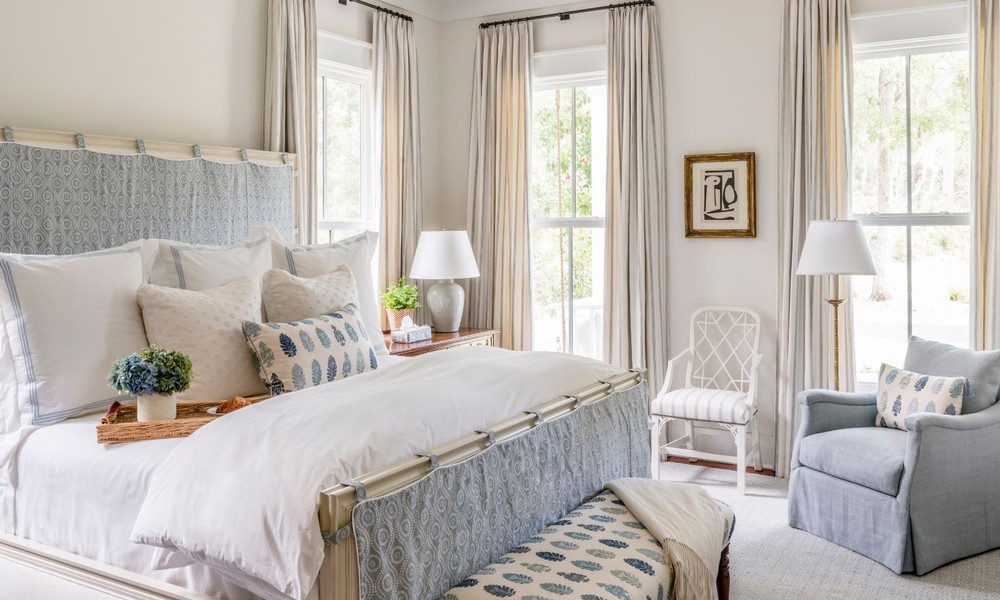

There is a reason people sleep differently in good hotels.
The room feels quieter somehow. Softer. The lighting is gentler, the bedding more enveloping, and the outside world feels surprisingly far away the moment the curtains close. Even before you lie down, the atmosphere itself begins slowing your body down.
And interestingly, luxury hotel bedrooms are rarely complicated.
They are not overflowing with decorative objects or aggressively trend-driven design choices. Instead, they focus intensely on comfort, softness, and sensory calm. Every detail – from the weight of the curtains to the glow of the bedside lighting – is designed to make the room feel restful and protected.
This is why recreating a hotel-style bedroom at home is less about copying a particular aesthetic and more about understanding atmosphere.
The best hotel rooms control light beautifully. They reduce visual noise. They soften acoustics. They layer textures carefully. And perhaps most importantly, they make the bedroom feel emotionally separate from the stress and stimulation of the rest of the house.
Window treatments play an enormous role in this transformation because they shape privacy, darkness, softness, and sound all at once. Designers often begin there when creating hotel-inspired bedrooms at home.
Blackout Curtains Create a More Cocooning Atmosphere
One of the defining features of luxury hotel bedrooms is their ability to create complete darkness when needed.
This is not only about blocking sunlight. Darkness changes how restful a room feels psychologically. Streetlights disappear. Early morning brightness softens. The bedroom becomes insulated from visual interruption, allowing deeper rest and a stronger sense of retreat.
Blackout custom curtains are often the most luxurious way to achieve this because they create softness and atmosphere simultaneously.
Floor-to-ceiling blackout drapery immediately makes a bedroom feel more enveloping. The fullness of the fabric absorbs sound, softens the architecture, and adds visual warmth that lighter treatments often cannot provide. Velvet, lined linen, and dense woven fabrics work especially beautifully because they create richness while still feeling calming rather than heavy.
Designers usually hang bedroom blackout curtains generously wide and high because fullness contributes enormously to the hotel effect. Thin, undersized panels rarely feel luxurious. Hotel-style drapery tends to look substantial and architectural, framing the room almost like upholstered walls around the windows.
And importantly, blackout curtains improve acoustics too. Bedrooms feel quieter once fabric absorbs sound reflections and outside noise softens around the windows.
The room begins feeling protected from the outside world rather than merely decorated.
Blackout Roman Shades Offer a Cleaner, Tailored Look
While blackout curtains create softness and drama, blackout custom roman shades offer a different kind of hotel-inspired elegance.
Roman shades feel more tailored and architectural, making them especially popular in modern or smaller bedrooms where excessive fabric might feel visually heavy. When fully lowered, blackout Roman shades sit close to the window frame and block light effectively while maintaining a cleaner silhouette throughout the room.
Designers often use them in boutique-style interiors where restraint matters just as much as comfort.
Linen roman shades with hidden blackout lining are particularly beautiful because they preserve softness during the day while still creating deep darkness at night. The room remains calm and textured instead of feeling dominated by technical blackout materials.
And practically speaking, roman shades work well in bedrooms where space around the windows is limited. They provide excellent light control without requiring wide curtain stacks beside the frame.
That said, many luxury interiors combine both.
A blackout roman shade hidden behind floor-length drapery creates one of the most effective and elegant sleep environments possible because the room gains darkness, insulation, texture, and softness all at once.
Layered Window Treatments Feel Instantly More Luxurious
Perhaps the biggest difference between ordinary bedrooms and hotel-style bedrooms is layering. Most standard bedrooms rely on a single window treatment solution – one blind, one curtain, one functional layer. Luxury hotels rarely do this because layered windows create far more comfort and flexibility throughout the day.
Designers often combine:
- sheer curtains for filtered daylight
- blackout layers for sleep
- Roman shades for tailored softness
- drapery for insulation and acoustics
This layering changes how the room feels at every hour. During the morning, sheer curtains soften sunlight into a gentle glow rather than allowing harsh brightness to flood the room immediately. In the evening, blackout layers create complete darkness and privacy. During the day, the room can remain softly filtered without feeling sealed off entirely.
Layered windows also make bedrooms feel acoustically calmer. Fabric absorbs echo and outside noise, creating the quietness people instinctively associate with luxury hotels. And visually, layered treatments add depth to the room. Windows feel intentional and architectural rather than bare or purely functional.
Lighting Is What Makes a Bedroom Feel Expensive at Night
Even beautifully layered curtains cannot create a hotel atmosphere if the lighting remains harsh. One of the most noticeable differences in hotel bedrooms is the absence of aggressive overhead lighting. Hotels understand that people relax more easily in layered, low, warm light rather than bright ceiling illumination.
Designers apply the same principle at home. Instead of depending entirely on one overhead fixture, hotel-style bedrooms rely on multiple softer light sources placed throughout the room. Bedside lamps, sconces, concealed lighting, and dim warm bulbs create a gentler atmosphere that gradually prepares the body for rest. Warm lighting changes everything.
Linen curtains glow softly instead of looking flat. Upholstered headboards appear richer. Wood tones deepen. The room becomes emotionally quieter because the light itself feels calming. This is why luxury bedrooms often feel beautiful at night even more than during the day. The lighting creates intimacy rather than simple visibility.
Dimmer switches help enormously too because they allow the room to transition gradually from functional brightness to restful softness.
Texture Creates the Feeling of Comfort
Hotel bedrooms succeed because they understand tactile comfort deeply. The room never feels visually hard. Even in modern luxury hotels, softness exists everywhere – upholstered headboards, layered bedding, plush rugs, textured curtains, padded benches, and warm lighting working together to create calmness.
Bedrooms at home benefit from the same layering. Curtains become part of this texture story. Velvet adds warmth and sound absorption. Linen creates softness and movement. Woven shades introduce natural texture against smoother surfaces. These details make the room feel emotionally warmer even before you touch anything.
And importantly, texture also softens acoustics. Bedrooms with too many hard surfaces often feel strangely restless because sound reflects sharply around the room. Fabric absorbs that harshness quietly. The space begins feeling slower and more insulated from outside stimulation.
Clutter Is the Enemy of Hotel Atmosphere
One reason hotel bedrooms feel restful is because they are visually edited carefully. There is enough texture and softness to feel luxurious, but not so much clutter that the room becomes mentally overstimulating. Surfaces remain relatively calm. Furniture placement feels intentional. Decorative objects are restrained.
Designers understand that luxury often comes from clarity rather than excess. This does not mean bedrooms must feel minimal or impersonal. In fact, the best hotel-style bedrooms still feel warm and lived in. But they avoid visual chaos. The eye can move through the room without constantly encountering distraction.
Layered curtains, warm lighting, textured bedding, and thoughtful materials already create richness. The room does not need endless decoration on top of that.
The Best Hotel Bedrooms Make You Want to Stay In Them
Perhaps the real secret behind hotel-style bedrooms is that they are designed entirely around how people want to feel. Protected from outside noise. Softly lit. Comfortably dark. Warm without being heavy. Quiet without feeling empty. A blackout curtain closing against city lights. Warm bedside lamps glowing through linen shades. Layered drapery softening the room acoustically.
Gentle filtered sunlight in the morning instead of harsh brightness. These details transform bedrooms because they shape atmosphere, not just appearance. And ultimately, that is what people remember most about beautiful hotel rooms. Not simply how they looked. But how deeply restful they felt the moment the door closed behind them.