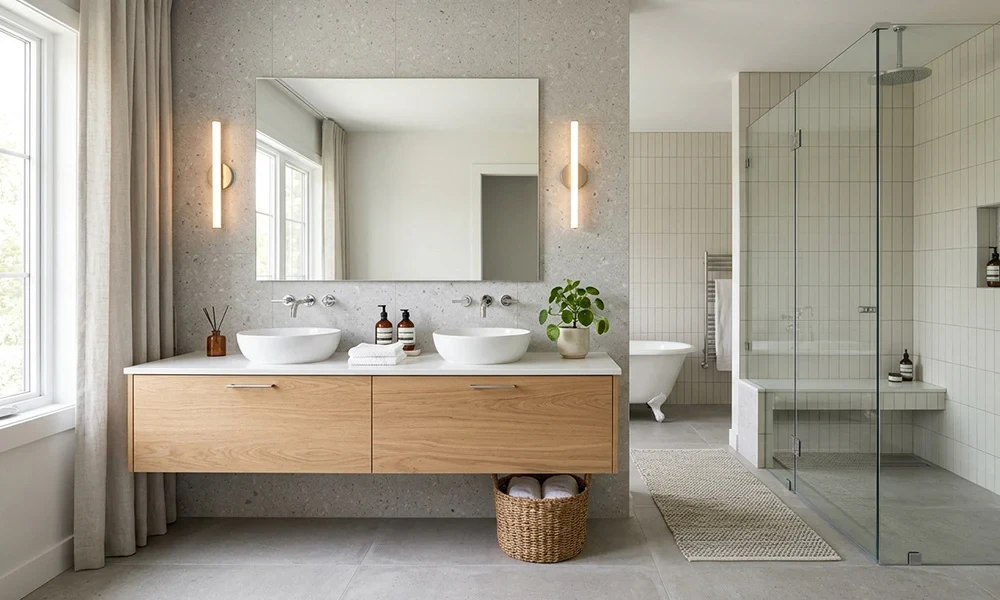

Step into any bathroom and the vanity instantly draws your eye. It’s more than just a basin and a set of drawers; it’s a daily workhorse, braving steamy showers, splashes, spills, and cleaning routines. Yet why do some bathroom vanities look flawless years later while others show swelling, chipped paint, or sagging frames after just a few seasons? The answer often lies beneath the surface, in the very materials that form the foundation of your vanity.
How Material Choices Impact Bathroom Vanity Longevity
Materials are the quiet heroes (or culprits) of how long your vanity actually lasts. A vanity’s construction determines how it weathers the bathroom’s relentless mix of moisture, heat, and daily wear and tear. The way wood, engineered materials, metal, or countertop surfaces react to this harsh environment sets the stage for a piece that ages gracefully or ends up needing premature replacement.
Understanding the Bathroom Environment: Moisture, Heat, and Wear
Bathrooms are nowhere near the gentle conditions of a bedroom or living room. Hot showers create humidity levels that can swell wood and warp engineered panels. Water splashes test seals and finishes relentlessly. Daily use means drawers slam, doors tug, and countertops meet toothpaste, hair dye, and more. The anatomy of the vanity must be resilient from the inside out.
Why Material Durability Matters in Bathroom Vanities
A simple scratch on a kitchen cabinet might go unnoticed for years, but a crack or swelling in a bathroom vanity is hard to ignore and quick to deteriorate further. Durable materials mean fewer repairs, less risk of moisture damage, and a consistently polished look, even with heavy use.
Case Study 1: Solid Wood Vanities – Classic Beauty Meets Maintenance Challenges
Nothing matches the charm of real wood. Oak, maple, walnut, these species are favorites for their rich appearance and natural texture. But even these sturdy choices have weaknesses.
Types of Wood Used in Bathroom Vanities
High-end vanities often use hardwoods like oak or walnut for frames and doors, while budget options might feature softer woods or wood veneers. Solid hardwood resists scratches and dents, but is more susceptible to swelling if water seeps in through unsealed edges or joints.
Real-World Longevity: How Solid Wood Handles Humidity
Montreal’s humid summers and chilly winters create a cycle of swelling and contraction for wood vanities. When properly sealed, solid wood can last decades. But inadequate finishing or prolonged water exposure quickly leads to warping, cracking, or mold growth.
Preventative Care and Finishing Techniques That Extend Lifespan
A thick, professional-grade finish (such as polyurethane sealer or marine varnish) is critical. Regular resealing, prompt cleanup of water spills, and good ventilation are the best defenses. Skip these, and wood’s beauty quickly fades under bathroom conditions.
Case Study 2: Engineered Wood and MDF – Affordable Alternatives with Trade-offs
Engineered wood, including MDF (medium density fiberboard) and particleboard, is everywhere in modern vanities. These materials lower the cost and allow for sleek, modern looks, but durability isn’t always their strong suit.
Material Composition and Vulnerabilities
MDF and particleboard are pressed wood fibers bonded with adhesives. They’re smooth and uniform, making them easy to paint or veneer. However, they act like sponges when exposed to water, swelling, softening, and sometimes falling apart if the protective finish is breached.
Common Issues: Swelling, Warping, and Surface Damage
A single chip in the paint or laminate can let moisture in, leading to bubbling or swelling around sinks and drawer edges. Over time, repeated exposure can cause panels to warp or joints to loosen.
Examples from Montreal Market: Performance in Everyday Use
Many bathroom vanities in Montreal use MDF for affordability, but the best-reviewed models combine robust finishes and smart engineering (like raised feet or metal frames) to minimize water exposure. Customer feedback highlights the importance of careful maintenance and strategic placement away from direct spray.
Case Study 3: Metal and Metal-Framed Vanities – Modern Durability
Metal vanities, especially those with stainless steel or aluminum frames, are winning fans for their contemporary looks and impressive strength.
Materials Like Stainless Steel and Aluminum in Bathroom Design
Stainless steel is corrosion-resistant and nearly impervious to moisture, making it ideal for wet environments. Powder-coated aluminum offers similar longevity with lighter weight.
Resistance to Moisture and Structural Integrity Over Time
Unlike wood, metal does not swell or warp. Well-coated surfaces resist rust and scratching. However, cheaper metals or poor-quality coatings can eventually show spots or discoloration.
Real-World Installations and Customer Feedback
Montreal homeowners report that metal-framed vanities stay rigid and attractive even after years of use, especially in high-traffic family bathrooms.
Countertop Materials: The Unsung Heroes of Vanity Longevity
A vanity’s countertop sees more abuse than any other surface. Toothpaste, cosmetics, curling irons, and daily cleaning products all leave their mark.
Comparing Polymarble, Engineered Quartz, Ceramic, and Solid Surfaces
| Countertop Material | Water Resistance | Scratch Resistance | Stain Resistance | Common Issues |
|———————-|——————|——————-|——————|————————-|
| Polymarble | Excellent | Good | High | Prone to dulling over time |
| Engineered Quartz | Excellent | Excellent | Excellent | Higher cost |
| Ceramic | Very Good | Moderate | High | Chipping around edges |
| Solid Surface | Very Good | Good | Good | Can scratch, repairable |
Impact of Countertop Durability on Overall Vanity Lifespan
A sturdy countertop can protect cabinets from drips and spills. Engineered quartz and polymarble last for years with little visible wear, while ceramic is resistant but vulnerable to chipping from dropped objects.
Case Examples from Popular Vanity Combinations
Montreal showrooms showcase vanities pairing engineered quartz counters with wood or MDF bases, maximizing both style and long-term resilience.
Finishes and Coatings: Protecting Your Investment
No matter how strong the core material, a vanity is only as tough as its outermost layer.
The Role of Paints, Sealants, and Laminates
Sealants block water from seeping into seams. High-quality paints and laminates add a tough, moisture-resistant barrier, crucial for MDF and particleboard.
How Finishes Influence Water Resistance and Scratch Durability
Satin and semi-gloss finishes repel water, and multi-layer lacquers stand up to cleaning chemicals. Skimp on this step, and even the best base material is exposed to damage.
Maintenance Tips Backed by Industry Practices
Always wipe up spills quickly, avoid abrasive scrubbers, and reapply finishes as recommended by manufacturers or showroom experts.
Matching Material Choice to Bathroom Type and Usage
A powder room with infrequent use can get away with budget-friendly materials, while a family master bath demands heavy-duty durability.
Small Powder Rooms vs. Master Bathrooms: Different Demands
Low-traffic powder rooms permit more delicate finishes, while master baths benefit from solid wood, metal, or top-tier engineered materials.
Single Sink vs. Double Sink Vanities: Material Stress Factors
Double sinks mean more plumbing penetrations and double the water exposure. Choose water-resistant materials and finishes for these high-use setups.
Insights from Montreal Showroom Experts on Optimal Selections
Professionals recommend considering humidity, user habits, and the age of household members before committing to a vanity style. Their advice? Invest in materials and construction that match your lifestyle, not just your current décor.
Conclusion: Making an Informed Material Choice for Long-Term Satisfaction
The secret to a long-lived vanity is simple: tough materials, expert finishing, and thoughtful care. Solid wood offers timeless beauty but requires maintenance; engineered options deliver sleek looks at reasonable prices but need vigilant sealing; metal brings modern durability with minimal fuss. Countertop choice is equally critical, with engineered quartz and polymarble leading for resilience.
When evaluating your options, remember the lessons from Montreal’s diverse bathroom vanities: match material choice to bathroom demands, prioritize quality finishes, and never underestimate the power of good maintenance. In the end, the right materials mean years of beauty, function, and satisfaction, no shortcuts required.